

Quick Summary: Acetaminophen (Tylenol) has been considered safe during pregnancy for over two decades when taken as directed and in consultation with a healthcare provider. However, in September 2025, the FDA initiated a label change process based on emerging evidence suggesting a possible link to autism and ADHD, though major health organizations including WHO and ACOG emphasize no conclusive causal relationship has been established. Pregnant individuals should discuss any medication use with their doctor to weigh benefits against potential risks.
The question of whether Tylenol is safe during pregnancy has become significantly more complicated over the past year. For decades, acetaminophen—the active ingredient in Tylenol—was one of the few pain relievers pregnant women could confidently reach for when dealing with headaches, fever, or body aches.
But in September 2025, the FDA made a major announcement that changed the conversation entirely.
So what should pregnant women do now? The answer isn’t as straightforward as it used to be, but understanding the current evidence can help expectant mothers make informed decisions alongside their healthcare providers.
What Happened in September 2025?
On September 22, 2025, the U.S. Food and Drug Administration initiated the process for a label change for acetaminophen products. The agency stated that evidence suggests acetaminophen use by pregnant women may be associated with an increased risk of neurological conditions such as autism and ADHD in children.
The FDA also issued a letter alerting physicians nationwide about these concerns.
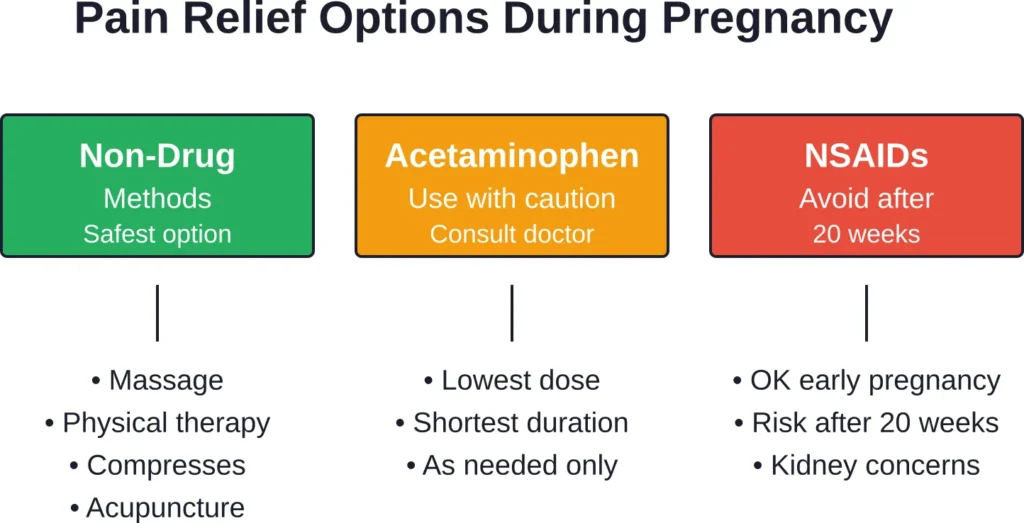
This was a significant shift. Acetaminophen had long been recommended as the safest over-the-counter pain reliever during pregnancy, particularly since NSAIDs like ibuprofen carry known risks after 20 weeks of pregnancy.
Here’s the thing though—the FDA’s announcement focused on an “association,” not a proven causal link. That distinction matters enormously when interpreting what this means for pregnant women.
How Common Is Acetaminophen Use During Pregnancy?
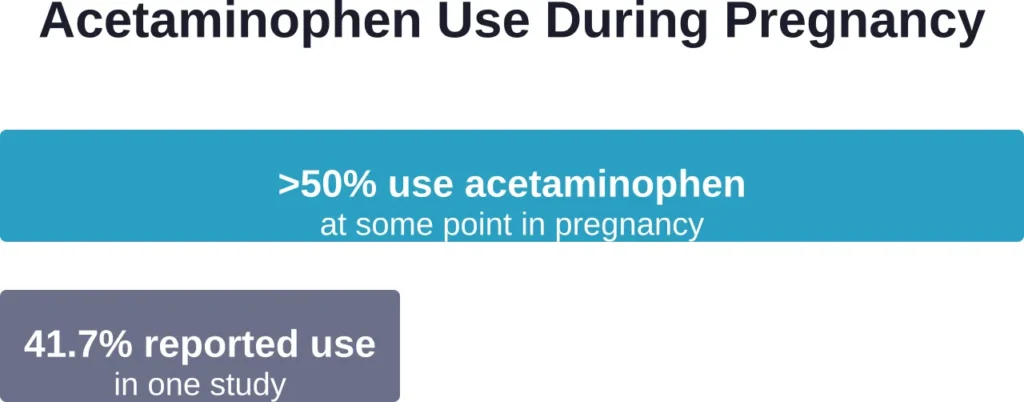
Acetaminophen is extraordinarily common among pregnant women. Research shows that >50% of pregnant women worldwide use acetaminophen at some point during their pregnancy.
In one study of 1,011 women, 41.7% reported using acetaminophen during pregnancy.
This widespread use makes sense—pregnancy comes with plenty of discomforts. Headaches, back pain, muscle aches, and fevers all need treatment, and until recently, acetaminophen was considered the go-to option.
What Does the Research Actually Show?
The research landscape on acetaminophen and pregnancy is complicated, with studies pointing in different directions.
Studies Showing Possible Concerns
A 2022 prospective cohort study published in PLOS One looked at 1,011 women who reported medication use during their third trimester. Researchers measured child behavioral problems at 3 years old using the Child Behavior Checklist.
The study examined behavioral outcomes using the Child Behavior Checklist syndrome scales in acetaminophen-exposed children.
A 2025 study published in Environmental Health evaluated the evidence using the Navigation Guide methodology examining acetaminophen use and neurodevelopmental disorders.
Studies Showing No Association
But wait. Other research tells a different story.
A sibling control analysis—a study design that controls for familial factors—found that acetaminophen use during pregnancy was not associated with children’s risk of autism, ADHD, or intellectual disability. The researchers suggested that associations observed in other studies may have been attributable to familial confounding rather than the medication itself.
Another systematic review concluded that exposure to acetaminophen during pregnancy does not appear to increase the risk of adverse outcomes, though the authors noted a lack of information regarding exposure dose and frequency.
A bias analysis examining the acetaminophen-ADHD link suggested that the previously reported association may be due to unmeasured confounding, with limited ability to conclude a causal relationship.
Why the Conflicting Results?
Most studies showing associations are observational. They can identify correlations but can’t prove causation. Women who take more acetaminophen might have more pain, infections, or fevers—conditions that themselves could affect fetal development.
Sibling studies that compare children within the same family help control for genetic and environmental factors. These studies generally show weaker or no associations, suggesting confounding may explain much of the signal in other research.
What Major Health Organizations Say
Despite the FDA’s label change process, major health organizations have maintained more cautious positions.
World Health Organization (WHO)
On September 24, 2025—just two days after the FDA announcement—WHO issued a statement emphasizing that “there is currently no conclusive scientific evidence confirming a possible link between autism and use of acetaminophen during pregnancy.”
WHO noted that while extensive research has been undertaken over the past decade, including large-scale studies, no consistent association has been established.
American College of Obstetricians and Gynecologists (ACOG)
ACOG has been particularly vocal in response to concerns about acetaminophen. The organization supports the use of acetaminophen in pregnancy when taken as needed, in moderation, and after consultation with a doctor.
Dr. Steven J. Fleischman, ACOG president, stated that “suggestions that acetaminophen use in pregnancy causes autism are not only highly concerning to clinicians but also irresponsible when considering the harmful and confusing message they send to pregnant patients.”
ACOG emphasizes that more than two decades of research has shown acetaminophen to be safe when used in consultation with a physician. The organization continues to identify acetaminophen as one of the only safe pain relievers for pregnant individuals.
| Organization | Position on Acetaminophen in Pregnancy | Date of Statement |
|---|---|---|
| FDA | Initiated label change process citing possible association with autism and ADHD | September 22, 2025 |
| WHO | No conclusive evidence of link to autism; no consistent association established | September 24, 2025 |
| ACOG | Supports use when taken as needed, in moderation, after doctor consultation | September 2025 |
Safe Dosing Guidelines
If pregnant women and their doctors decide acetaminophen is appropriate, following proper dosing guidelines remains essential.
The maximum acetaminophen dose for adults is 4,000 mg in 24 hours. However, many experts recommend staying well below this maximum, especially during pregnancy.
The key principles:
- Take the lowest effective dose
- Use for the shortest duration necessary
- Don’t exceed recommended dosing intervals
- Consult with a healthcare provider before starting
- Be aware that acetaminophen appears in hundreds of over-the-counter and prescription products—check labels to avoid doubling up
Real talk: taking acetaminophen occasionally for a severe headache or fever is very different from daily use for weeks or months. Duration and frequency matter when considering potential risks.
When Pain and Fever Need Treatment
Here’s where the risk-benefit calculation gets tricky. Untreated pain and especially fever during pregnancy carry their own risks.
High fever during pregnancy, particularly in the first trimester, has been associated with birth defects and developmental problems. Severe, chronic pain can affect sleep, nutrition, stress levels, and overall health—all of which impact pregnancy outcomes.
So the question isn’t just “Is acetaminophen risky?” It’s “What’s riskier—taking acetaminophen or leaving the condition untreated?”
That calculation will be different for a one-time dose to treat a 102°F fever versus daily use for chronic back pain. This is precisely why individualized medical consultation matters so much.
Alternatives to Acetaminophen During Pregnancy
Pregnant women dealing with pain or fever do have some alternatives, though options are limited.
Non-Medication Approaches
- Rest and adequate sleep
- Cold or warm compresses
- Prenatal massage from a certified therapist
- Physical therapy for musculoskeletal pain
- Acupuncture (from a practitioner experienced with pregnancy)
- Proper hydration and nutrition
- Stress reduction techniques
Other Medications
NSAIDs like ibuprofen (Advil, Motrin) and naproxen (Aleve) can be used in early pregnancy but must be avoided after 20 weeks. The FDA warns that NSAID use around 20 weeks or later in pregnancy may cause serious kidney problems in the unborn baby, leading to low amniotic fluid levels.
If deemed necessary by a healthcare professional, NSAID use between 20 and 30 weeks of pregnancy should be limited to the lowest effective dose for the shortest duration. Treatment longer than 48 hours may require ultrasound monitoring of amniotic fluid.
Aspirin is generally avoided except in specific medical situations under doctor supervision.
What Pregnant Women Should Do Now
So what’s the bottom line for pregnant women facing this confusing landscape?
First, don’t panic if acetaminophen has already been taken during pregnancy. The absolute risk increase—if there is one—appears to be small. Most children born to mothers who used acetaminophen during pregnancy are perfectly healthy.
Second, talk to your healthcare provider before taking any medication during pregnancy, including acetaminophen. This conversation should cover:
- Whether the condition requires medication or can be managed without it
- How severe your symptoms are and the risks of leaving them untreated
- The lowest effective dose if medication is needed
- How long you’ll need to take it
- Any alternatives you might try first
Third, if acetaminophen is taken, use it judiciously. The principle of “lowest dose for shortest time” becomes even more important given the emerging concerns.
Fourth, don’t let pain or fever go untreated out of fear. Work with your healthcare provider to find the safest approach for your specific situation. Sometimes the treatment is medically necessary and the benefits outweigh potential risks.
The Bigger Picture on Medication Safety in Pregnancy
This situation with acetaminophen highlights a broader challenge: very few medications have been thoroughly studied in pregnant populations. Ethical concerns limit the research that can be done, leaving many questions unanswered.
Medicine use in pregnancy is common—most pregnant women take at least some medication during pregnancy. The CDC notes that pregnant women often face difficult decisions about medication use, balancing the need to treat health conditions against potential effects on the developing baby.
The acetaminophen discussion underscores why pregnant women should never make medication decisions in isolation. Healthcare providers can help weigh individual circumstances, severity of symptoms, gestational age, and available evidence to make the most informed choice possible.
Frequently Asked Questions
Acetaminophen can be taken in the first trimester after consultation with your healthcare provider. However, given the 2025 FDA announcement about possible associations with neurodevelopmental concerns, doctors may recommend using the lowest effective dose for the shortest time necessary. Discuss your specific situation with your obstetrician before taking any medication.
Currently, acetaminophen remains the pain reliever most commonly recommended during pregnancy, though the safety profile is now under closer scrutiny. NSAIDs can be used in early pregnancy but must be avoided after 20 weeks due to kidney risks to the baby. Non-medication approaches like physical therapy, massage, and compresses are the safest options when effective.
The maximum acetaminophen dose for adults is 4,000 mg in 24 hours. However, during pregnancy, healthcare providers typically recommend using the minimum effective dose for the shortest duration. Always consult your doctor before taking acetaminophen and follow their specific dosing recommendations for your situation.
No causal link has been proven. The FDA initiated a label change in September 2025 based on evidence of a possible association, but major organizations including WHO and ACOG emphasize that no conclusive evidence confirms a causal relationship. Observational studies show correlations, but sibling-control studies suggest confounding factors may explain the associations. More research is needed.
Fever during pregnancy, especially high fever, requires treatment as it can pose risks to the developing baby. Contact your healthcare provider immediately if you develop a fever. They may recommend acetaminophen, but will also want to identify and treat the underlying cause of the fever. Don’t let fever go untreated due to medication concerns—work with your doctor to find the safest approach.
Several non-medication approaches may help with pain: prenatal massage, physical therapy, warm or cold compresses, adequate rest, proper hydration, and acupuncture from a pregnancy-experienced practitioner. For headaches, relaxation techniques and identifying triggers can help. These approaches are safest but may not be sufficient for severe pain or fever, which require medical evaluation.
Ibuprofen and other NSAIDs can be used in early pregnancy but must be avoided around 20 weeks and later. The FDA warns that NSAID use at 20 weeks or after may cause serious kidney problems in the unborn baby and low amniotic fluid. If NSAIDs are necessary between 20-30 weeks, use should be limited to the lowest dose for the shortest time with medical supervision.
Conclusion: Navigating Uncertainty with Your Healthcare Team
The question “Is it OK to take Tylenol while pregnant?” no longer has the simple yes-or-no answer it once did. The 2025 FDA label change process reflects growing concerns about potential links to neurodevelopmental conditions, even as major health organizations maintain that no conclusive causal relationship has been established.
For pregnant women, this creates a challenging situation: weighing emerging but inconclusive evidence against the real need to treat pain and fever during pregnancy.
The most important takeaway is that medication decisions during pregnancy should never be made alone. Every pregnant woman’s situation is different—the severity of symptoms, gestational age, overall health, and alternative options all factor into the decision.
If you’re pregnant and dealing with pain or fever, contact your healthcare provider. Together, you can evaluate whether acetaminophen is appropriate for your specific circumstances, discuss alternatives, and determine the safest course of action for both you and your baby. That individualized, informed decision-making process is far more valuable than any blanket recommendation could ever be.