

Quick Summary: Excessive crying can lead to physical effects like headaches, puffy eyes, and dehydration, as well as emotional exhaustion and worsened mood in the short term. However, research shows that 90 minutes after crying, most people feel better than before. While occasional crying is healthy and normal, persistent excessive crying may signal underlying conditions like depression, anxiety, or hormonal imbalances that warrant professional attention.
Tears happen. Some days, they flow more freely than others. But what happens when crying becomes more than an occasional release—when the tears just won’t stop?
Crying is a natural human response. Research from the American Academy of Ophthalmology suggests that emotional tears are likely unique to humans, triggered by strong feelings ranging from sadness to joy. Most people experience crying as a healthy emotional outlet.
But here’s the thing though—excessive crying affects both your body and mind in ways that go beyond just wet cheeks and smudged mascara. Understanding what happens when you cry too much can help you recognize when tears are helpful and when they might signal something deeper.
The Physical Effects of Crying Too Much
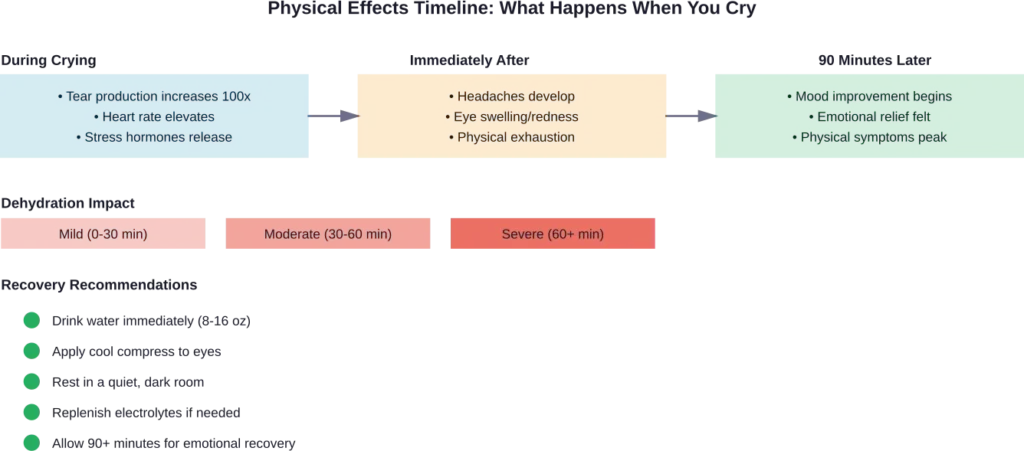
When tears start flowing, your body launches into a complex physiological response. The physical consequences of excessive crying can range from mildly uncomfortable to genuinely concerning.
Dehydration and Electrolyte Imbalance
Tears contain water and electrolytes—essential minerals like sodium and potassium that keep your body functioning properly. According to research from the National Library of Medicine, basal tear secretion occurs at about 1.2 µl/minute, but reflexive tear secretion can increase this up to 100-fold during emotional episodes.
Prolonged crying sessions deplete your body’s fluid reserves. This matters more than most people realize. The NCBI notes that electrolytes are crucial for proper functioning—intracellular fluid accounts for 60% of the volume of body fluids and 40% of a person’s total body weight. When crying depletes these reserves without adequate replacement, dehydration sets in.
Symptoms of dehydration from excessive crying include headaches, dizziness, fatigue, and dry mouth. Research published in PLoS One demonstrated that changes in water intake directly affect mood and physiological sensations, creating a feedback loop where dehydration from crying can worsen the emotional state that triggered crying in the first place.
Eye Irritation and Swelling
The American Academy of Ophthalmology explains that excessive tearing can disrupt the delicate balance of the ocular surface. Tears enter the puncta at a rate of 0.6 µl/min; about 90 percent are reabsorbed through the nasolacrimal duct mucosa.
When crying overwhelms this drainage system, several problems emerge. Puffy, swollen eyelids occur as excess fluid accumulates in the surrounding tissue. Red, bloodshot eyes develop from increased blood flow to the area. Some people experience temporary blurred vision or a gritty sensation in their eyes.
The salt content in tears can also irritate the delicate skin around the eyes, leading to redness, inflammation, and sometimes even rashes with prolonged exposure.
Headaches and Sinus Pressure
That pounding headache after a good cry? It’s not your imagination. Crying triggers several mechanisms that contribute to head pain.
First, the physical act of sobbing tenses facial and neck muscles. Sustained muscle tension leads to tension headaches. Second, crying causes nasal congestion as tears drain into the nasal cavity, creating sinus pressure. Third, dehydration from fluid loss through tears reduces blood volume, potentially triggering dehydration headaches.
These headaches typically feel like a tight band around the forehead or pressure behind the eyes. They can persist for hours after the crying episode ends.
Physical Exhaustion
Crying is physically demanding work. The body’s stress response activates during emotional crying episodes, releasing cortisol and other stress hormones. Heart rate increases, breathing becomes irregular, and muscles throughout the body tense up.
According to Mayo Clinic research, emotional exhaustion occurs when stress from challenging events occurs continually, the body depletes its energy reserves. This explains why extended crying sessions leave people feeling physically drained, sometimes requiring hours of rest to recover.
The Emotional and Mental Impact
Beyond the physical toll, excessive crying creates complex emotional consequences. The relationship between tears and mental health runs deeper than surface-level sadness.
The Crying Paradox: Worse Before Better
Research from Cleveland Clinic reveals a surprising finding about crying’s emotional effects. One key study found that crying actually made participants feel worse immediately afterward. But that same study also found that 90 minutes after crying, people felt better than they did before crying.
This creates a paradox. In the moment and immediately after, excessive crying can intensify negative emotions. People report feeling overwhelmed, hopeless, or even more distressed than before the tears started. The physical discomfort compounds these feelings.
But given time, crying often provides genuine emotional relief. The key word? Time. The recovery period matters, and excessive crying sessions that happen too frequently may not allow adequate time for this emotional rebound to occur.
Emotional Exhaustion and Burnout
According to Mayo Clinic research, emotional exhaustion occurs when stress from adverse or challenging events continues without adequate recovery time. When crying becomes excessive and frequent, it both signals and contributes to emotional exhaustion.
The Department of Health and Human Services recommends at least 150 minutes of moderate-intensity physical activity each week to combat emotional exhaustion. Contrary to what exhausted people might believe, this adds to their energy account rather than subtracting from it.
Signs of emotional exhaustion from excessive crying include difficulty concentrating on tasks, lack of motivation, feeling physically and mentally drained, and struggling to find emotional balance.
Impact on Mood Regulation
Frequent excessive crying can disrupt normal mood regulation mechanisms. Research from PLoS One on mood and physiological sensations shows that changes in body states—including those triggered by crying—directly affect emotional regulation capacity.
When crying becomes the primary emotional response, other coping mechanisms may atrophy. This creates dependence on crying as the sole outlet for processing difficult emotions, which becomes problematic when crying occurs in contexts where it’s impractical or when the crying itself becomes distressing.
When Excessive Crying Signals a Health Condition
Sometimes, crying too much isn’t just about being emotional. It can indicate underlying health conditions that require professional attention.
Depression and Mood Disorders
According to Mayo Clinic, depression affects people emotionally in profound ways. One hallmark symptom is persistent sadness accompanied by frequent crying episodes. Mood disorders like depression and bipolar disorder create extreme mood swings that may manifest as excessive crying.
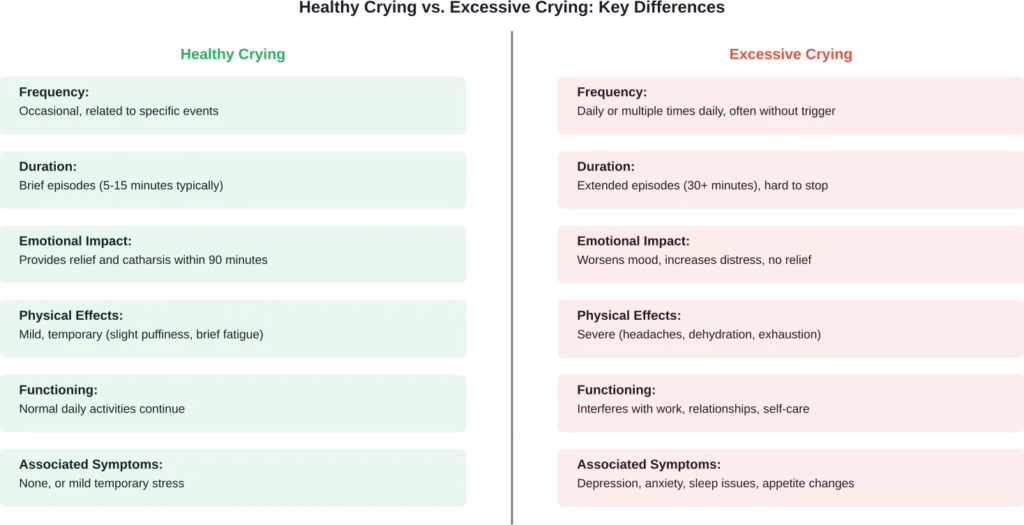
Depression-related crying differs from normal emotional tears in several ways. It often occurs without clear triggers, persists beyond what seems proportional to the situation, and accompanies other symptoms like loss of interest in activities, changes in sleep or appetite, and feelings of worthlessness.
If crying happens daily and interferes with normal functioning, it may signal depression rather than just heightened emotional sensitivity. The risk assessment matters—Mayo Clinic notes that mood disorders raise the risk of suicide, particularly in women who experience these conditions at higher rates.
For immediate help, contact the 988 Suicide & Crisis Lifeline by calling or texting 988. The service operates 24 hours a day, every day.
Anxiety Disorders
Anxiety and excessive crying often intertwine. Stress and anxiety trigger crying as the nervous system becomes overwhelmed. The American Academy of Ophthalmology notes that stress can affect the eyes directly, and eye strain from stress can compound crying-related eye issues.
When anxiety reaches clinical levels, crying episodes may increase in frequency and intensity. The physical symptoms of anxiety—racing heart, shortness of breath, muscle tension—can trigger or accompany crying spells.
Pseudobulbar Affect
Mayo Clinic describes pseudobulbar affect (PBA) as a brain condition in which a person suddenly starts to laugh or cry and can’t manage the reaction. The term refers to conditions in the brainstem’s corticobulbar pathways that control facial and emotional expression.
PBA differs from regular crying in critical ways. The emotional reactions don’t fit the situation or how the person actually feels. Crying episodes come on suddenly, are difficult or impossible to control, and occur in people with certain neurological conditions.
PBA usually happens in people with neurological conditions or injuries affecting the brain’s emotional regulation centers. This is distinct from depression or anxiety-related crying.
Hormonal Changes
Hormones powerfully influence crying frequency. Pregnancy, postpartum periods, menstrual cycles, and menopause all trigger hormonal fluctuations that can increase crying episodes.
Premenstrual syndrome (PMS) commonly includes increased emotional sensitivity and crying. Postpartum depression affects many new mothers and includes excessive crying as a key symptom. Thyroid disorders also affect hormone levels and emotional regulation.
Adjustment Disorders
According to Mayo Clinic, adjustment disorders are excessive reactions to stress involving negative thoughts, strong emotions, and behavior changes. Work problems, major life changes, illness, or numerous other stressors can trigger these conditions.
Most people adapt to life changes within a few months. When someone can’t adapt and experiences excessive crying, difficulty functioning, or overwhelming distress, an adjustment disorder may be the cause.
These disorders differ from normal stress responses in their intensity and duration. If crying persists well beyond the typical adjustment period, professional evaluation becomes important.
| Condition | Crying Characteristics | Other Key Symptoms | When to Seek Help |
|---|---|---|---|
| Depression | Frequent, often without clear trigger, persistent sadness | Loss of interest, sleep changes, worthlessness, fatigue | Daily crying for 2+ weeks, suicidal thoughts |
| Anxiety Disorder | Triggered by worry or panic, accompanied by physical tension | Racing heart, shortness of breath, excessive worry, restlessness | Crying interferes with daily activities, panic attacks occur |
| Pseudobulbar Affect | Sudden, uncontrollable, doesn’t match actual emotions | Also uncontrollable laughter, neurological symptoms | Episodes are involuntary and distressing |
| Hormonal Changes | Cyclical or related to specific life phases | Mood swings, physical symptoms tied to hormone cycles | Severely impacts quality of life or relationships |
| Adjustment Disorder | Excessive response to specific stressor, persists months | Difficulty functioning, avoidance, negative thoughts | Can’t adapt after 3-6 months, distress is disabling |
Is Crying Every Day Normal?
The question of whether daily crying is normal doesn’t have a simple answer. Context determines whether frequent crying represents healthy emotional expression or a sign of trouble.
Some people naturally cry more easily than others. Research suggests that about 1 in 5 people are born with traits that cause them to feel emotions intensely and cry more readily. These highly sensitive people (HSPs) process emotional stimuli more deeply, making tears a more frequent occurrence.
For these individuals, crying several times per week or even daily might fall within their normal range—particularly during stressful periods. The key factors to assess are whether the crying feels appropriate to the situation, whether it provides relief, and whether it interferes with daily functioning.
However, crying every day accompanied by other concerning symptoms warrants evaluation. If daily tears come with persistent sadness, loss of interest in formerly enjoyable activities, changes in sleep or appetite, or thoughts of self-harm, professional help is needed.
The distinction matters. Emotional sensitivity isn’t pathological. Mental health conditions are.
The Benefits of Crying (When It’s Not Excessive)
Here’s an important counterpoint: crying itself isn’t harmful. In fact, normal crying offers genuine health benefits.
Research into the healing effects of crying shows that emotional tears can improve and enhance emotional states when they occur appropriately. Crying serves as a protective reflex, an emotional response mechanism, and a form of social communication.
The American Academy of Ophthalmology notes that emotional tears are likely unique to humans and typically elicit helping and empathic responses from observers. Crying signals distress to others, potentially mobilizing social support.
Tears also contain stress hormones and toxins that the body expels through crying. Some researchers theorize that crying literally helps remove stress-related chemicals from the body.
Community discussions frequently mention feeling cleansed or lighter after a good cry. While individual experiences vary, many people report that crying helps them process difficult emotions, gain perspective, and move forward.
The key phrase? “A good cry.” That implies crying that feels cathartic, that provides relief, that helps rather than harms. When crying crosses into excessive territory, these benefits diminish.
How to Manage Excessive Crying
If excessive crying has become a problem, several strategies can help manage and reduce crying episodes.
Immediate Coping Techniques
When tears start flowing and won’t stop, try these in-the-moment interventions:
Control your breathing. Slow, deep breaths activate the parasympathetic nervous system, countering the stress response that fuels crying. Inhale for four counts, hold for four, exhale for six. Repeat until the crying urge subsides.
Change your physical position. Stand up if sitting, walk to a different room, or step outside. Physical movement interrupts the crying pattern and shifts mental focus.
Use cold water. Splash cold water on your face or hold a cold compress to your forehead. The temperature shock triggers the dive reflex, slowing heart rate and reducing emotional intensity.
Focus on sensory grounding. Name five things you can see, four you can touch, three you can hear, two you can smell, and one you can taste. This technique anchors awareness in the present moment rather than overwhelming emotions.
Long-Term Strategies
Reducing excessive crying over time requires addressing underlying causes and building emotional resilience.
Track crying patterns. Keep a journal noting when crying occurs, potential triggers, how long episodes last, and how you feel afterward. Patterns often emerge that reveal specific stressors or times of vulnerability.
Address hydration and nutrition. As NCBI research demonstrates, proper hydration affects mood and physiological sensations. Dehydration from crying creates a feedback loop. Drink adequate water daily—especially after crying episodes—and maintain balanced electrolyte levels.
Prioritize sleep. Sleep deprivation increases emotional reactivity and crying. The University of California, San Francisco notes that environmental factors affect sleep quality. Create a quiet, dark bedroom environment and maintain consistent sleep schedules.
Build alternative coping mechanisms. Relying solely on crying to process emotions limits coping flexibility. Develop a toolkit including exercise, creative expression, talking with trusted friends, meditation, or journaling.
Exercise regularly. According to the Department of Health and Human Services, adults should complete at least 150 minutes of moderate-intensity physical activity weekly. Exercise regulates mood, reduces stress hormones, and builds emotional resilience.
When to Seek Professional Help
Self-help strategies have limits. Professional intervention becomes necessary when:
- Crying occurs daily for more than two weeks
- Crying interferes with work, relationships, or self-care
- Other symptoms accompany excessive crying (persistent sadness, anxiety, appetite changes, sleep disturbances)
- Thoughts of self-harm or suicide emerge
- Crying feels uncontrollable or doesn’t match the emotional situation
- Physical symptoms from crying (severe headaches, dehydration) become concerning
Mental health professionals can properly diagnose underlying conditions like depression, anxiety disorders, or hormonal imbalances. Treatment options include therapy, medication, or both, depending on the specific diagnosis.
At Talkiatry, first visits are generally scheduled for 60 minutes or more to give your psychiatrist time to learn about you, work on a treatment plan, and discuss any medications that might be included. Proper evaluation is essential because different conditions require different treatment approaches.
The Role of Infant Crying on Long-Term Health
Interestingly, research extends beyond adult crying to examine how excessive crying in infancy affects long-term development.
A PLoS One study published in May 2018 examined the effect of excessive infant crying on blood pressure, heart rate variability, and cardiac autonomic control in childhood. Researchers measured these factors at ages 5-6 years in children who had experienced excessive crying as infants.
The study found that early life stress—including excessive infant crying—influences the developing autonomic nervous system. Stressors in infancy may program the autonomic nervous system resting state set point, affecting cardiovascular function in later life.
Blood pressure, heart rate, heart rate variability, and indicators of cardiac autonomic nervous system activity (sympathetic drive by pre-ejection period, parasympathetic drive by respiratory sinus arrhythmia) were measured at age 5–6 years in children who had experienced excessive crying as infants.
This research underscores that excessive crying—at any life stage—represents more than just emotional expression. It creates measurable physiological effects that can persist.
Understanding Tearlessness: The Other Side
While this article focuses on crying too much, research also examines people who can’t cry at all.
A study on the social and psychological consequences of not crying found that despite reduced empathy, less connection with others, and a more avoidant/less anxious attachment type, well-being is maintained in tearless people. This suggests that crying isn’t universally necessary for mental health, though it serves important functions for most people.
Research into dimensions of crying examined patients with Sjögren’s syndrome, a systemic autoimmune disease with dryness as a primary symptom. The study looked at crying dimensions and their relations with ocular dryness and mental well-being, finding complex relationships between physical ability to produce tears and emotional health.
These studies remind us that crying exists on a spectrum. Too much creates problems, but so can too little. The goal is balanced emotional expression appropriate to individual circumstances.
FAQ: Common Questions About Crying Too Much
No, crying itself cannot kill you. However, the conditions that cause excessive crying—like severe depression—do carry serious health risks if left untreated. Additionally, severe dehydration from prolonged crying could theoretically become dangerous, but this would require extreme circumstances. The greater concern is what excessive crying signals rather than the crying itself causing death.
There’s no universal threshold since people vary in emotional sensitivity. However, crying becomes excessive when it occurs daily for extended periods (weeks), happens without clear triggers, interferes with normal functioning, or fails to provide emotional relief. If crying is accompanied by other mental health symptoms or causes significant physical problems like severe headaches or dehydration, it’s too much.
Several factors contribute to crying easily. About one in five people are highly sensitive individuals who process emotions more intensely. Hormonal fluctuations, stress, anxiety, depression, sleep deprivation, and emotional exhaustion all lower the threshold for tears. Some medications also increase emotional reactivity. If easy crying is new or problematic, evaluation by a healthcare provider can identify treatable causes.
Yes, crying does cause fluid loss that can lead to dehydration, especially during prolonged crying episodes. According to the American Academy of Ophthalmology, reflexive tear secretion can increase tear production up to 100-fold during emotional crying. This significant fluid loss, combined with the increased breathing and sweating that often accompany crying, depletes the body’s water and electrolyte reserves. Drinking water after crying is important for recovery.
Excessive crying typically doesn’t cause permanent eye damage in healthy individuals. However, it can cause temporary problems like swelling, redness, irritation, and blurred vision. The salt in tears can irritate the delicate skin around eyes. People with existing eye conditions may experience worsened symptoms. If eye problems persist after crying stops, or if you experience pain or vision changes, consult an eye care professional.
Crying in appropriate amounts benefits mental health by providing emotional release, signaling distress to others, and potentially removing stress hormones from the body. Research shows that 90 minutes after crying, most people feel better than before. However, excessive frequent crying may indicate mental health problems rather than improving them. The key is whether crying provides relief and feels proportional to the situation.
After extended crying, rehydrate by drinking 8-16 ounces of water. Apply a cool compress to reduce eye swelling and soothe headaches. Rest in a quiet, dark room to allow both physical and emotional recovery. If you have a severe headache, consider a pain reliever. Gentle stretching can release muscle tension from sobbing. Allow at least 90 minutes for emotional recovery—research shows mood improvement typically begins around this timeframe. If you’re concerned about what triggered the crying, consider reaching out to a trusted friend or mental health professional.
Conclusion: When Tears Tell a Story
Crying too much affects the body through dehydration, eye irritation, headaches, and physical exhaustion. It impacts the mind by initially worsening mood before potentially providing relief—if given adequate time to recover. The physical and emotional consequences become problematic when crying happens excessively, daily, or without appropriate triggers.
But here’s what matters most: excessive crying often signals something deeper. Depression, anxiety, hormonal imbalances, adjustment disorders, or neurological conditions frequently manifest as uncontrollable or frequent tears. Recognizing when crying crosses from healthy emotional expression into concerning territory empowers people to seek appropriate help.
Normal crying provides catharsis and relief. Excessive crying depletes resources and may indicate conditions requiring treatment. The difference lies in frequency, duration, impact on functioning, and whether other symptoms accompany the tears.
If crying has become overwhelming, interferes with daily life, or accompanies other concerning symptoms, professional evaluation is warranted. Mental health conditions are treatable, and effective interventions exist. For immediate crisis support, contact the 988 Suicide & Crisis Lifeline by calling or texting 988.
Tears aren’t weakness. They’re communication—from your body, your emotions, and sometimes from conditions that need attention. Listen to what your tears are telling you.