
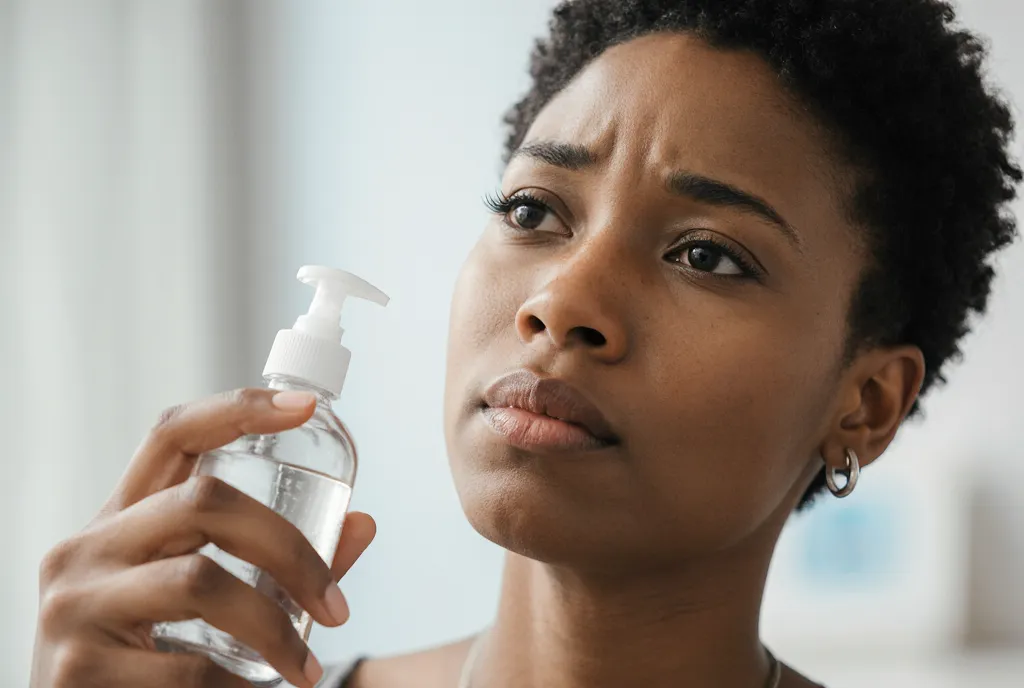
Quick Summary: Drinking hand sanitizer can cause severe alcohol poisoning, even death. The CDC documented 15 cases of methanol poisoning from contaminated sanitizers in 2020, resulting in 4 deaths and 3 cases of permanent blindness. Even small amounts can be dangerous, especially for children.
Hand sanitizers became ubiquitous during the COVID-19 pandemic. They’re in every store, on every desk, in every pocket.
But here’s the thing most people don’t realize: these seemingly harmless hygiene products contain enough alcohol to cause serious harm when ingested. And it’s happening more often than you’d think.
According to the CDC, hand sanitizers typically contain 60-95% alcohol—significantly higher than vodka or whiskey. That concentration makes them extremely dangerous when consumed, whether accidentally or intentionally.
Why Would Anyone Drink Hand Sanitizer?
The question seems absurd until you examine the data.
From May 1 through June 30, 2020, the CDC identified 15 cases of methanol poisoning in Arizona and New Mexico from people who ingested alcohol-based hand sanitizers. Four of those individuals died. Three survived but suffered permanent vision loss.
Several factors drive hand sanitizer ingestion:
- Children accidentally consuming it due to appealing scents and packaging
- Individuals with alcohol use disorder seeking ethanol
- Accidental exposure in poorly ventilated spaces
- Contaminated products containing methanol instead of ethanol
Poison Control reports that a 2-year-old who ingests even a dime-sized amount of 62% alcohol hand sanitizer needs immediate medical evaluation. The concentration is simply too high for small bodies to process safely.
The Immediate Health Effects
What actually happens when someone drinks hand sanitizer? The effects begin within minutes.
Alcohol Poisoning Symptoms
Hand sanitizers containing ethanol or isopropanol cause rapid alcohol intoxication. According to Poison Control, small tastes may cause minimal symptoms, but larger quantities trigger severe reactions.
Early symptoms include:
- Nausea and vomiting
- Headache and dizziness
- Abdominal pain
- Slurred speech and confusion
- Loss of coordination
- Decreased level of consciousness
One documented case involved a child whose serum ethanol concentration was found to be 41.1 mmol/L or 0.19%—nearly four times the legal driving limit (most US states set limit at approximately 0.08%)
Methanol Poisoning: The Deadlier Threat
Here’s where things get genuinely terrifying.
The FDA issued warnings in 2020 about hand sanitizers contaminated with methanol, a toxic alcohol that should never be used in these products. Methanol poisoning presents differently than ethanol poisoning and carries far worse outcomes.
According to the CDC, methanol poisoning can cause:
- Severe metabolic acidosis
- Seizures
- Permanent blindness
- Organ failure
- Death
The mechanism is particularly cruel. Methanol metabolizes into formate, which directly damages the optic nerve. Survivors often face complete, irreversible vision loss.

Children Are Particularly Vulnerable
The CDC analyzed adverse health effects in children from 2011-2014 and found 70,669 exposures to alcohol and nonalcohol hand sanitizers reported to the National Poison Data System.
Kids face heightened risk for several reasons:
Their smaller body size means the same volume produces higher blood alcohol concentrations. What might cause mild symptoms in an adult can trigger life-threatening poisoning in a toddler.
Attractive packaging makes the problem worse. Hand sanitizers often come in bright colors with fruity scents. To a young child, they look and smell like something safe to consume.
According to Poison Control, children who lick small amounts off their hands typically recover without intervention. But ingesting more than a taste requires immediate medical evaluation.
Hand Sanitizer Addiction: An Emerging Problem
Sound unlikely? The data tells a different story.
During the pandemic, reports emerged of people with alcohol use disorder consuming hand sanitizer as an ethanol source. The concentration—typically 60-70% alcohol—is significantly higher than distilled spirits.
This creates a dangerous cycle. Individuals seeking to avoid alcohol withdrawal may turn to readily available hand sanitizers. The high alcohol content delivers rapid intoxication but also carries severe health risks.
The psychological component matters too. Easy accessibility and the perception of hand sanitizer as “not really alcohol” can lower barriers to consumption among vulnerable individuals.
Contaminated Products: The Methanol Crisis
In June 2020, the FDA began identifying hand sanitizers containing methanol rather than ethanol or isopropanol.
Why does this matter? Methanol is toxic. Period.
The FDA maintains an extensive list of hand sanitizers consumers should avoid. Many were manufactured in Mexico and imported during the pandemic when demand skyrocketed and regulatory oversight struggled to keep pace.
| Alcohol Type | Safe for Skin | Safe if Ingested | Typical Concentration |
|---|---|---|---|
| Ethanol (Ethyl Alcohol) | Yes | No (causes poisoning) | 60-95% |
| Isopropanol (Isopropyl Alcohol) | Yes | No (causes poisoning) | 70%+ |
| Methanol (Methyl Alcohol) | No | No (highly toxic) | Should be 0% |
The University of Arizona Poison Center documented multiple cases where individuals required hemodialysis after consuming methanol-contaminated hand sanitizers. Several didn’t survive.
What to Do If Someone Drinks Hand Sanitizer
Time matters critically here.
If someone ingests hand sanitizer:
- Call 911 immediately if they’re unconscious, having seizures, or having trouble breathing
- Contact Poison Control at 1-800-222-1222 for all other cases
- Do NOT induce vomiting unless instructed by medical professionals
- Try to identify the product and have the container available
- Note how much was consumed and when
According to the CDC, treatment for methanol poisoning requires aggressive intervention including correction of acidosis, administration of fomepizole (an alcohol dehydrogenase inhibitor), and frequently hemodialysis.
Early treatment significantly improves outcomes. Delays can result in permanent disability or death.

Prevention: Keeping Hand Sanitizer Safe
The CDC recommends specific precautions to prevent accidental or intentional ingestion.
For households with children:
- Supervise young children when using hand sanitizer
- Store products out of sight and reach between uses
- Choose unscented or less appealing formulations
- Avoid products with attractive packaging that might appeal to kids
For everyone:
- Check the FDA’s list of hand sanitizers to avoid
- Verify products contain ethanol or isopropanol, not methanol
- Use products with at least 60% alcohol concentration for effectiveness
- Never transfer hand sanitizer to food or drink containers
Real talk: if someone in the household struggles with alcohol use disorder, limiting access to hand sanitizers may be necessary. Alternative hand hygiene methods like frequent handwashing with soap and water work just as effectively when done properly.
Long-Term Health Consequences
Surviving hand sanitizer poisoning doesn’t guarantee full recovery.
According to CDC data, survivors of methanol poisoning often face permanent visual impairment ranging from partial vision loss to complete blindness. The formate metabolite causes irreversible optic nerve damage.
Other potential long-term effects include:
- Neurological damage
- Kidney dysfunction
- Liver damage
- Cognitive impairment
One cluster of five deaths in Arizona involved chronic alcoholism combined with methanol-contaminated hand sanitizer. The combination proved universally fatal in those cases.
Frequently Asked Questions
According to Poison Control, small tastes typically cause minimal symptoms in adults. However, children face much higher risk due to their smaller body size. Any amount beyond a small lick requires medical evaluation. Methanol-contaminated products are dangerous in any quantity.
The toxic dose varies by body weight and product concentration. CDC data shows that even dime-sized amounts of 62% alcohol sanitizer in young children warrant poison control consultation. For adults, larger quantities can cause severe intoxication quickly due to the 60-95% alcohol concentration.
Call Poison Control immediately at 1-800-222-1222. If the child is unconscious, having seizures, or has trouble breathing, call 911 first. Do not induce vomiting. Have the product container available to identify the alcohol type and concentration.
Yes, absolutely. Hand sanitizers contain high concentrations of ethanol or isopropanol, both of which cause intoxication. However, this is extremely dangerous and can quickly progress to severe alcohol poisoning, coma, or death. The concentration is far higher than beverage alcohol.
Check the FDA’s regularly updated list of hand sanitizers to avoid. Look for products listing only ethanol or isopropanol as active ingredients. Avoid products manufactured in Mexico during 2020 unless verified safe. If you suspect methanol contamination and someone has consumed the product, seek emergency care immediately.
Early symptoms mirror ethanol poisoning: nausea, vomiting, headache, abdominal pain. Methanol poisoning specifically causes blurred vision or vision loss, severe metabolic acidosis, and can progress to seizures, coma, and death. Vision problems are a critical warning sign requiring immediate emergency care.
Yes. During the pandemic, documented cases emerged of individuals with alcohol use disorder consuming hand sanitizer to obtain ethanol. The high concentration and easy availability make it particularly dangerous for this population. Treatment requires addressing the underlying alcohol use disorder.
The Bottom Line
Hand sanitizers serve an important public health function when used correctly. They help prevent disease transmission and have become essential in community and healthcare settings.
But they’re not harmless.
The high alcohol concentration that makes them effective for killing germs also makes them dangerous when ingested. CDC data confirms deaths, permanent blindness, and serious health complications from hand sanitizer consumption.
Children remain particularly vulnerable due to their small size and attraction to colorful, scented products. Adults with alcohol use disorder face risks from both the high alcohol content and potential methanol contamination in certain products.
If someone ingests hand sanitizer, treat it as a medical emergency. Call Poison Control or 911 depending on symptom severity. Quick action can mean the difference between recovery and permanent disability or death.
Keep hand sanitizers in their proper role: external use only, stored safely, and kept away from anyone who might consume them intentionally or accidentally.