
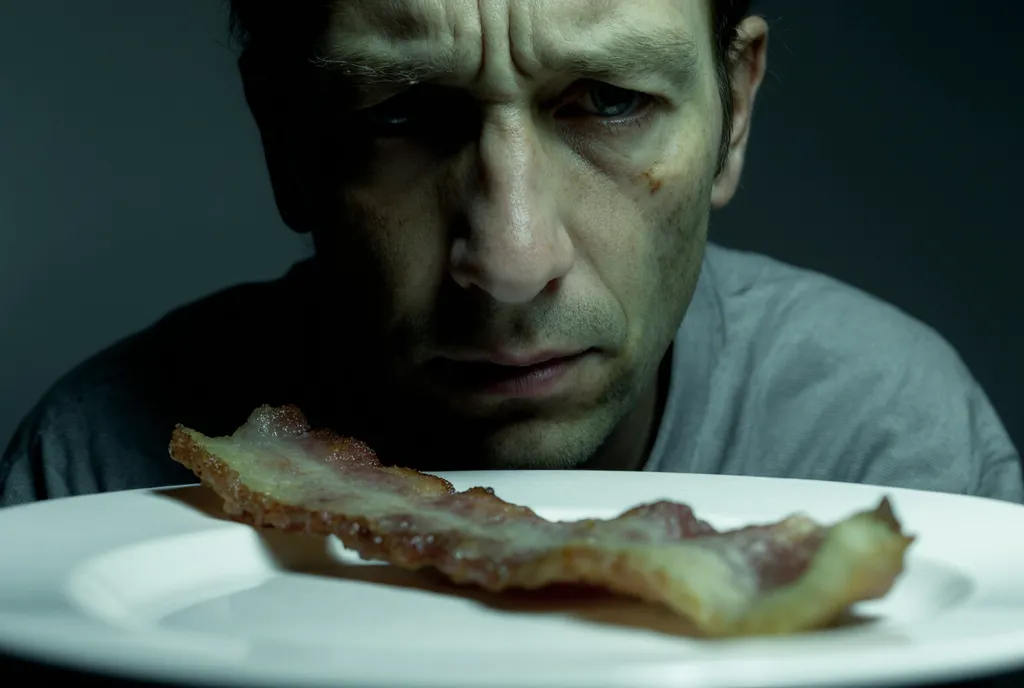
Quick Summary: Eating bad bacon can cause food poisoning from bacteria like Salmonella, Staphylococcus aureus, or Listeria, leading to symptoms such as nausea, vomiting, diarrhea, stomach cramps, and fever within hours to days. According to the CDC, symptoms typically start 30 minutes to 6 days after consumption and can range from mild to severe, requiring medical attention if diarrhea persists beyond 3 days or fever exceeds 102°F. Proper storage and recognizing spoilage signs like off smell, slimy texture, or discoloration are crucial for prevention.
That crispy, smoky bacon strip you just ate tasted a bit off. Maybe the smell wasn’t quite right, or the texture felt slimy. Now you’re worried.
And honestly? You should be.
Spoiled bacon isn’t just unpleasant—it can harbor dangerous bacteria that cause genuine food poisoning. The average American consumes around 18 pounds of bacon annually, making it a kitchen staple. But when bacon goes bad, those beloved strips transform into a potential health hazard.
Here’s what actually happens when you eat spoiled bacon, the symptoms to watch for, and when you need medical attention.
The Bacteria Lurking in Bad Bacon
Bad bacon creates an ideal environment for several nasty bacteria. These microorganisms multiply rapidly once the meat starts spoiling, and cooking doesn’t always eliminate the toxins they produce.
According to CDC research, outbreaks attributed to pork in the United States during 1998-2015 resulted in 6,372 illnesses, 443 hospitalizations, and four deaths.
Staphylococcus Aureus (Staph)
About 1 in every 4 people carries Staph bacteria on their skin or in their nose. When bacon is improperly handled or stored, Staph can contaminate the meat and multiply, producing toxins that cause food poisoning.
The CDC notes that Staph food poisoning acts fast. Symptoms typically appear within 30 minutes to 8 hours after eating contaminated food.
Salmonella
Salmonella can contaminate pork products. This bacteria causes symptoms that usually start 6 hours to 6 days after consumption, with diarrhea, fever, and severe stomach cramps being the hallmark signs.
Most people recover without treatment, but some cases require hospitalization.
Listeria
Listeria bacteria are of particular concern because they can survive in refrigerated conditions, making them particularly dangerous. According to the CDC, Listeria primarily harms pregnant women, newborns, older adults, and people with weakened immune systems.
The infection can spread beyond the intestines, becoming invasive and potentially life-threatening.

What Symptoms to Expect After Eating Bad Bacon
The symptoms depend on which bacteria contaminated the bacon and how much you consumed. But there’s a common pattern.
According to the CDC, the most frequent symptoms of food poisoning include diarrhea, stomach pain or cramps, nausea, vomiting, and fever. The severity and timing vary based on the specific germ.
Immediate to Short-Term Symptoms (30 Minutes to 8 Hours)
If Staph bacteria contaminated the bacon, symptoms hit fast. Nausea and vomiting often come first, followed by stomach cramps and diarrhea.
These symptoms typically resolve within 24-48 hours without medical intervention, though they’re extremely uncomfortable.
Medium-Term Symptoms (6 Hours to 6 Days)
Salmonella infection takes longer to manifest. Watery diarrhea that might contain blood or mucus is common, along with severe stomach cramps.
Many people also experience headache, nausea, vomiting, and loss of appetite. Fever is typical with Salmonella infections.
Delayed Symptoms (1-4 Weeks)
Listeria has the longest incubation period. For pregnant women, symptoms might be mild—just fever and muscle aches. But the infection can cause miscarriage, stillbirth, or severe illness in newborns.
In other high-risk groups, Listeria can cause headache, stiff neck, confusion, loss of balance, and convulsions.
| Symptom Type | Timing | Severity | Common Causes |
|---|---|---|---|
| Nausea and vomiting | 30 min – 8 hours | Moderate to severe | Staphylococcus aureus |
| Stomach cramps | 30 min – 8 hours | Moderate to severe | Staph, Salmonella |
| Watery diarrhea | 6 hours – 6 days | Moderate | Salmonella, E. coli |
| Bloody diarrhea | 1-3 days | Severe | Salmonella, E. coli |
| Fever over 102°F | Varies | Severe | Salmonella, Listeria |
| Headache, confusion | 1-4 weeks | Severe | Listeria |
When to Seek Medical Attention
Most cases of food poisoning from bad bacon resolve on their own. But certain symptoms signal that medical intervention is necessary.
The CDC recommends seeking medical care immediately if you experience:
- Bloody diarrhea
- Diarrhea lasting more than 3 days
- Fever higher than 102°F
- Frequent vomiting that prevents keeping liquids down
- Signs of dehydration (decreased urination, dry mouth, dizziness when standing)
Pregnant women, adults over 65, young children, and anyone with a weakened immune system should contact their healthcare provider even with mild symptoms. These groups face higher risks of severe complications.
How to Tell If Bacon Has Gone Bad
Prevention beats treatment every time. Recognizing spoiled bacon before you eat it is crucial for avoiding food poisoning altogether.
Check the Expiration Date
Start here. If the package is past its expiration date, toss it. Period.
Unopened bacon typically lasts 1-2 weeks in the refrigerator beyond the sell-by date, but that’s not a guarantee of safety.
Inspect the Color
Fresh bacon has a natural pink or reddish color with white or pale yellow fat. When bacon spoils, it turns brown, gray, or greenish.
Any discoloration is a red flag. The change happens because bacteria break down the meat’s proteins and fats.
Smell Test
Good bacon smells smoky and slightly salty. Bad bacon? It has a sour, rotting, or ammonia-like odor that’s unmistakable.
If the smell makes you hesitate, trust that instinct.
Feel the Texture
Fresh bacon feels firm and slightly moist. Spoiled bacon develops a slimy or sticky coating caused by bacterial growth.
If the bacon feels tacky or leaves residue on your fingers, it’s gone bad.
Look at the Packaging
Inspect unopened packages for bloating or excessive liquid. Both indicate bacterial activity and gas production inside the package.
A swollen package means the bacon is definitely spoiled.

Proper Bacon Storage to Prevent Spoilage
Storing bacon correctly dramatically reduces the risk of bacterial contamination and spoilage.
Unopened Bacon
Keep unopened bacon in its original packaging in the coldest part of the refrigerator, typically the back of the bottom shelf. According to the USDA, unopened bacon can last 1-2 weeks past the sell-by date when properly refrigerated.
For longer storage, freeze unopened bacon in its original package. It’ll maintain quality for up to 1 month in the freezer.
Opened Bacon
Once opened, bacon should be wrapped tightly in plastic wrap, aluminum foil, or transferred to an airtight container. Properly stored opened bacon lasts about 7 days in the refrigerator.
Freezing opened bacon requires wrapping individual portions separately for easier thawing and use.
Cooked Bacon
Cooked bacon has a shorter refrigerator life than raw bacon—typically 4-5 days when stored in an airtight container. The USDA emphasizes that cooked bacon must be refrigerated within 2 hours of cooking.
Frozen cooked bacon maintains quality for 1-2 months.
Temperature Control
Keep the refrigerator at 40°F or below and the freezer at 0°F or below. Bacteria multiply rapidly between 40°F and 140°F—what food safety experts call the “danger zone.”
Never leave bacon at room temperature for more than 2 hours (1 hour if the temperature exceeds 90°F).
| Bacon Type | Refrigerator (40°F) | Freezer (0°F) | Storage Method |
|---|---|---|---|
| Unopened package | 1-2 weeks past sell-by date | Up to 1 month | Original packaging |
| Opened package | 7 days | 1 month | Tightly wrapped or airtight container |
| Cooked bacon | 4-5 days | 1-2 months | Airtight container |
What to Do If You’ve Eaten Bad Bacon
So you’ve already eaten questionable bacon. Now what?
Don’t Panic (Yet)
Not everyone who eats spoiled bacon gets sick. The amount consumed, the specific bacteria present, and individual immune system strength all factor into whether symptoms develop.
While anecdotal reports exist online of people consuming questionable bacon without immediate illness, such consumption is not recommended and poses food safety risks.
Monitor Your Symptoms
Watch for the symptoms outlined earlier. Note the timing—Staph symptoms appear quickly, while Salmonella takes longer.
Keep track of symptom severity and duration. This information helps healthcare providers if medical treatment becomes necessary.
Stay Hydrated
If vomiting or diarrhea develops, fluid replacement becomes critical. Drink water, clear broths, or electrolyte solutions to prevent dehydration.
Avoid caffeine, alcohol, and sugary drinks, which can worsen dehydration.
Rest and Recover
Let your body fight the infection. Avoid solid foods until nausea and vomiting subside, then gradually reintroduce bland foods like rice, bananas, and toast.
When to Call the Doctor
Contact a healthcare provider if symptoms meet the severe criteria outlined by the CDC: bloody diarrhea, diarrhea lasting more than 3 days, high fever, or signs of dehydration.
High-risk individuals should seek medical advice even with mild symptoms.
Can Cooking Kill Bacteria in Bad Bacon?
Here’s the thing—cooking kills bacteria, but it doesn’t necessarily eliminate the toxins some bacteria produce.
Staphylococcus aureus produces heat-stable toxins that survive normal cooking temperatures. Even if thorough cooking kills the bacteria, the toxins remain and cause food poisoning.
According to the USDA, the safest approach is discarding spoiled food rather than trying to “cook it safe.” The USDA explicitly states: “Do not taste it!” when food shows signs of spoilage.
Cooking might reduce some bacterial loads, but it’s a gamble with serious health consequences. The risk isn’t worth it.
Understanding Bacon Curing and Preservation
Bacon undergoes curing, which extends shelf life but doesn’t make it immune to spoilage.
Traditional curing involves salt, nitrites, and sometimes smoking. These processes inhibit bacterial growth and preserve the meat. According to the USDA, “pumped” bacon has curing ingredients injected directly into the meat, with curing times of 6 to 24 hours before heating.
Nitrites serve multiple functions. Research published in medical journals shows nitrite has antioxidant properties at concentrations as low as 40 mg per kg, with a reduction of about 65% in lipid oxidation when 50 ppm sodium nitrite is added to meat products.
But cured doesn’t mean immortal. Even cured bacon spoils when improperly stored or kept too long.
Special Considerations for Different Bacon Types
Not all bacon is created equal, and different types have different storage requirements and spoilage patterns.
Turkey Bacon
Turkey bacon typically has a shorter shelf life than pork bacon. It’s leaner, which means less fat to slow bacterial growth. Follow the same storage guidelines, but err on the side of caution with expiration dates.
Uncured Bacon
Despite the name, “uncured” bacon is still preserved—just with natural sources of nitrites like celery powder instead of synthetic sodium nitrite. Storage and spoilage signs remain the same.
Shelf-Stable Bacon
Some fully cooked bacon products are shelf-stable before opening. The USDA notes these products undergo special processing and packaging. Once opened, they require refrigeration and should be treated like regular cooked bacon.
The Economic Impact of Food Waste vs. Food Safety
Throwing out questionable bacon feels wasteful. But the cost of food poisoning—medical bills, lost work, and genuine suffering—far exceeds the price of a package of bacon.
Between 1998 and 2015, pork-related outbreaks resulted in 443 hospitalizations. Hospital stays for foodborne illness are expensive and preventable.
When bacon shows signs of spoilage, the economically rational choice is disposal, not risk.
Frequently Asked Questions
Symptoms can appear anywhere from 30 minutes to 6 days after consumption, depending on the bacteria. Staphylococcus aureus causes symptoms within 30 minutes to 8 hours, Salmonella takes 6 hours to 6 days, and Listeria can take 1-4 weeks. According to the CDC, most common food poisoning symptoms start within the first 24 hours.
Yes, though it’s less common. Some bacteria don’t produce obvious odors in early stages of contamination. This is why checking multiple signs—smell, color, texture, and expiration date—is important. However, if bacon passes all visual and smell tests and is within its use-by date, the risk is significantly lower.
Cooking kills bacteria but not necessarily their toxins. Staphylococcus aureus produces heat-stable toxins that survive normal cooking temperatures. The USDA recommends discarding spoiled food rather than attempting to cook it safe. Proper cooking helps prevent illness from fresh bacon but can’t reliably salvage spoiled meat.
Most cases resolve within 24-48 hours for Staph infections, 4-7 days for Salmonella, though severe cases can last longer. Listeria infections vary widely and can be much more serious, especially in high-risk groups. The CDC advises seeking medical care if diarrhea lasts more than 3 days or if severe symptoms develop.
A slimy coating indicates bacterial growth and the bacon should be discarded. The slime is a biofilm produced by bacteria multiplying on the meat’s surface. Even if other signs of spoilage aren’t present, sliminess means the bacon has begun to spoil and poses a food safety risk.
Freezing prevents bacterial growth but doesn’t kill existing bacteria. Bacon frozen at 0°F remains safe indefinitely from a bacterial standpoint, but quality degrades over time. The USDA recommends using frozen bacon within 1 month for best quality. If bacon was already spoiling before freezing, freezing won’t reverse the spoilage.
The sell-by date tells retailers how long to display the product. Bacon typically remains safe for 1-2 weeks past this date if unopened and properly refrigerated. The use-by date is the manufacturer’s estimate of peak quality. Neither guarantees safety—always check for signs of spoilage regardless of dates.
Conclusion: When in Doubt, Throw It Out
Eating bad bacon can cause genuine food poisoning with symptoms ranging from uncomfortable to dangerous. The bacteria lurking in spoiled bacon—Staphylococcus aureus, Salmonella, and Listeria—produce symptoms that can start within 30 minutes or take weeks to appear.
According to the CDC, symptoms include nausea, vomiting, diarrhea, stomach cramps, and fever. Severe cases require medical attention, particularly for high-risk groups like pregnant women, older adults, and those with weakened immune systems.
Prevention is straightforward: check expiration dates, inspect color and texture, smell before cooking, and store bacon properly at 40°F or below. When bacon shows any signs of spoilage—discoloration, foul odor, slimy texture, or bloated packaging—discard it immediately.
The USDA’s guidance is clear: don’t taste suspicious food. The cost of a package of bacon is nothing compared to the misery and potential medical expenses of food poisoning.
Trust your senses, follow proper storage guidelines, and remember that no breakfast item is worth risking your health. When in doubt, throw it out.