
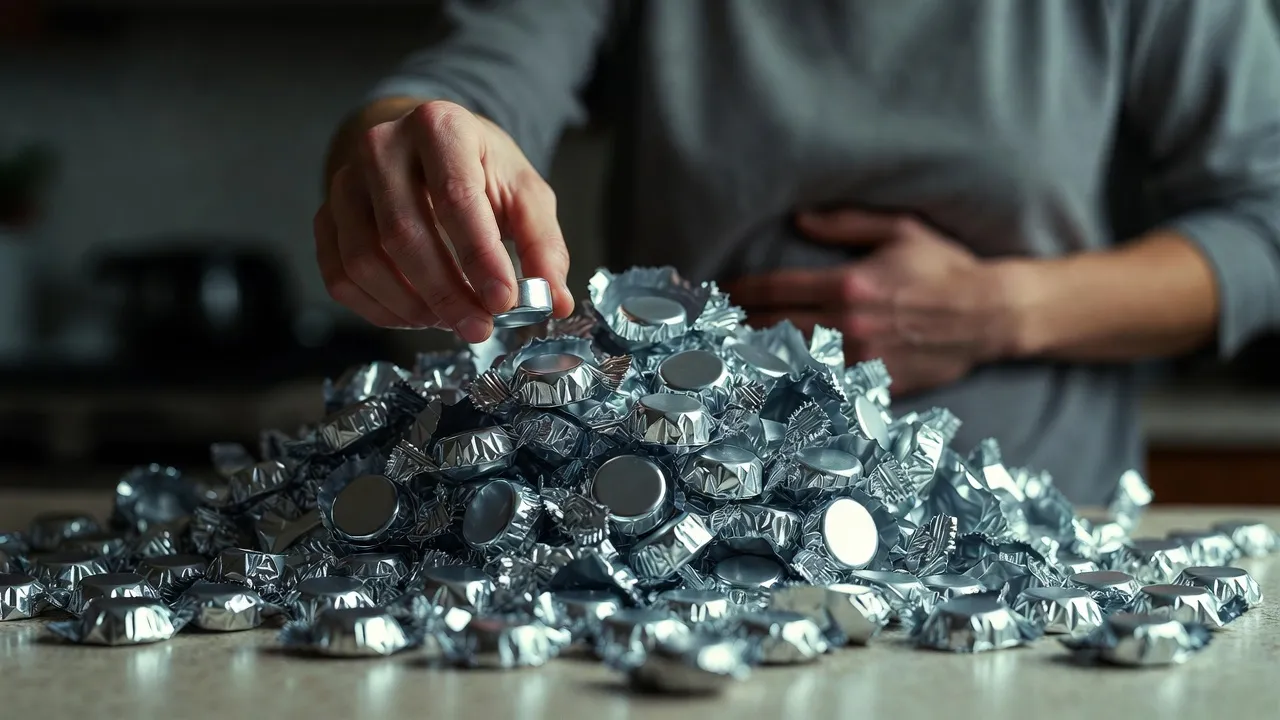
Quick Summary: Eating too many cough drops can lead to side effects ranging from stomach upset and nausea to more serious symptoms like rapid heartbeat and confusion, depending on the active ingredients. Most cough drops contain menthol or dextromethorphan, and exceeding the recommended dosage (typically 10-12 drops per 24 hours) can cause overdose symptoms. While rare, menthol poisoning and dextromethorphan toxicity are possible with excessive consumption.
Cough drops seem harmless enough. They’re available at every drugstore, taste like candy, and provide quick relief for a scratchy throat. But here’s the thing—just because something’s sold over-the-counter doesn’t mean it’s risk-free when consumed in large amounts.
The reality? Eating too many cough drops can cause more than just an upset stomach. Depending on the active ingredients, excessive consumption can lead to symptoms ranging from mild digestive issues to serious medical emergencies.
Can You Really Overdose on Cough Drops?
The short answer is yes, though it’s relatively uncommon. Cough drops contain active ingredients that are medications, not just flavored candy. The most common active ingredients in throat lozenges are menthol and dextromethorphan, both of which can cause harmful effects when taken in excessive amounts.
According to the FDA, over-the-counter cough and cold products require careful dosing. While cough drops typically contain lower concentrations than liquid medications, overconsumption still poses risks.
Most cough drop packages include clear dosing instructions. For example, many menthol-based lozenges advise taking one drop every two hours as needed, with a maximum of 10-12 drops within 24 hours. Exceeding these limits increases the risk of side effects.
Understanding the Active Ingredients
Different cough drops contain different active ingredients, each with distinct effects and potential risks when overconsumed.
Menthol-Based Cough Drops
Menthol is the most common ingredient in cough drops, typically present in doses ranging from 5.8 mg to 7.6 mg per lozenge. It works as a cough suppressant and oral anesthetic, creating a cooling sensation that temporarily soothes throat irritation.
Menthol poisoning is possible but rare. Most cases occur from ingesting pure menthol rather than from cough drops. However, consuming excessive amounts of menthol lozenges can still cause problems.
Research from the Wisconsin Research and Education Network found something unexpected: excessive use of menthol cough drops could actually make coughs worse. A study of more than 500 patients showed that cough-drop users reported longer duration of cough illness (12.5 days) compared with non-users (9.8 days).
Dextromethorphan (DXM)
Some cough drops contain dextromethorphan, a cough suppressant found in at least 70 common over-the-counter cough and cold products. According to Poison Control, DXM abuse leads to approximately 6,000 emergency room visits annually.
When taken as directed, DXM is safe. But recreational users intentionally exceed recommended doses to experience altered time perception and visual hallucinations. In 2009, the National Institute on Drug Abuse’s Monitoring the Future Survey found that 6% of high school seniors had abused DXM.
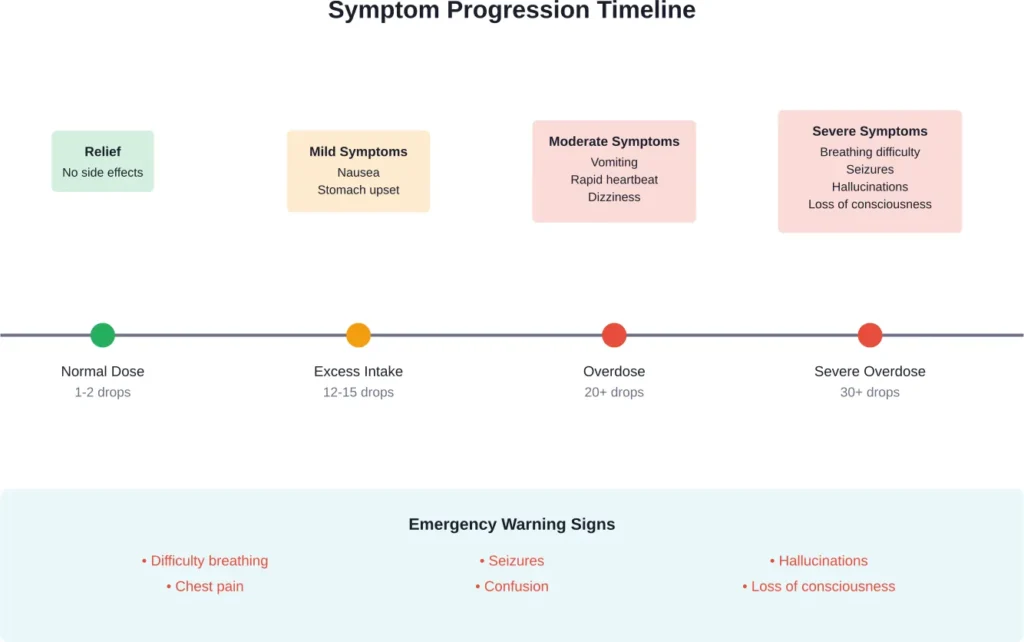
What Symptoms Can Develop From Eating Too Many Cough Drops?
Symptoms vary based on which active ingredient is present and how much was consumed. Here’s what can happen.
| Severity Level | Menthol Symptoms | Dextromethorphan Symptoms |
|---|---|---|
| Mild | Nausea, stomach upset, heartburn, dizziness | Nausea, vomiting, drowsiness, mild confusion |
| Moderate | Abdominal pain, vomiting, muscle weakness | Rapid heartbeat, blurred vision, slurred speech |
| Severe | Difficulty breathing, seizures, altered consciousness | Hallucinations, seizures, loss of consciousness, coma |
Common Digestive Issues
The most frequent side effects from overconsumption are digestive. Nausea and stomach pain top the list, often accompanied by heartburn or diarrhea. These symptoms typically occur when someone exceeds the recommended daily limit.
Many cough drops also contain sugar or sugar alcohols like sorbitol. Consuming large amounts can have a laxative effect, leading to cramping and diarrhea.
Cardiovascular and Neurological Symptoms
More concerning symptoms involve the heart and nervous system. Rapid heartbeat, increased blood pressure, and palpitations can occur with excessive menthol or DXM intake.
According to Poison Control, serious DXM overdose can cause confusion, hallucinations, and in extreme cases, seizures or coma. These symptoms require immediate medical attention.
Special Risks for Children
Children face higher risks from cough drop overconsumption. The FDA warns that children under 2 years of age should not be given any cough and cold products containing decongestants or antihistamines, as serious and possibly life-threatening side effects could occur.
Reported side effects of cough and cold products in young children have included convulsions, rapid heart rates, and death. For older children, Poison Control recommends that parents lock medicine up high, where children can’t see or reach it.
Benzonatate (Tessalon Perles), a prescription cough suppressant sometimes available in lozenge form, poses particular danger. According to emergency medicine experts, benzonatate (Tessalon Perles) is considered a “one pill can kill” medication for young children. It is only approved for use in individuals 10 years of age and older, and younger children who take it may experience serious toxicity or even death.
How Many Cough Drops Is Too Many?
The safe limit depends on the specific product. Reading the label is critical.
Generally speaking, most menthol cough drops recommend a maximum of 10-12 lozenges per 24-hour period. Some products specify one drop every two hours as needed.
For products containing dextromethorphan, limits vary based on concentration. Always follow package instructions and never exceed the recommended dosage.
But wait—there’s another consideration. Even within safe limits, excessive cough drop use might not be helping. That Wisconsin research showing prolonged cough duration in heavy cough drop users suggests that moderation matters for effectiveness, not just safety.
What to Do If Cough Drops Aren’t Working
If throat irritation persists despite using cough drops as directed, resist the urge to pop more lozenges. Instead, consider these alternatives.
According to Poison Control, home remedies such as saline drops, gentle suctioning, humidity, and fluids are more effective than medicines for young children with coughs and colds.
Other effective approaches include:
- Drinking warm liquids like tea with honey (for those over 12 months old)
- Using a humidifier to add moisture to the air
- Gargling with warm salt water
- Staying well-hydrated with water throughout the day
- Getting adequate rest to support immune function
If a sore throat is severe, persists for more than two days, or is accompanied by fever, headache, rash, nausea, or vomiting, medical evaluation is warranted.
When to Seek Medical Care
Some symptoms require immediate medical attention. Call emergency services or poison control if any of these occur:
- Difficulty breathing or shortness of breath
- Rapid or irregular heartbeat
- Chest pain or pressure
- Severe confusion or disorientation
- Visual or auditory hallucinations
- Seizures or convulsions
- Loss of consciousness
For non-emergency situations where someone has consumed too many cough drops, contact Poison Control at 1-800-222-1222 or use the webPOISONCONTROL® online tool for guidance. Expert help is available 24/7, free and confidential.
Treatment for Cough Drop Overdose
Treatment depends on the severity of symptoms and which ingredients were involved. For mild cases involving stomach upset and nausea, supportive care at home may suffice. This includes stopping cough drop use, drinking clear fluids, and resting.
Moderate to severe cases require medical evaluation. Healthcare providers may administer activated charcoal if the overdose occurred recently, provide intravenous fluids for dehydration, or use medications to control specific symptoms like rapid heartbeat or seizures.
In cases involving significant DXM overdose, hospitalization may be necessary for monitoring and supportive care until the medication clears from the system.
How to Prevent Cough Drop Overdose
Prevention comes down to mindful use and proper storage.
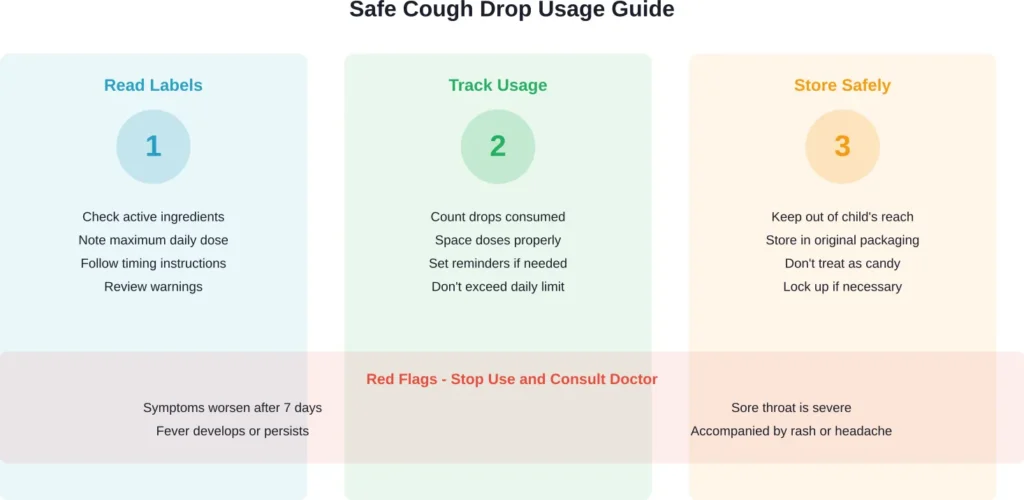
First, always read and follow label directions. This sounds obvious, but community discussions reveal many people don’t check dosing guidelines, treating cough drops like candy.
Second, store medications properly. Keep cough drops in their original packaging where dosing information remains visible. Store them out of reach of children, preferably in a locked cabinet if young children are present.
Third, don’t combine multiple products containing the same active ingredients. Many cold remedies contain overlapping ingredients, making accidental overdose more likely when using several products simultaneously.
Finally, consider whether medication is truly necessary. For many cases of mild throat irritation, non-medicated options work just as well without any risk of overdose.
Frequently Asked Questions
Most menthol cough drops limit consumption to 10-12 lozenges per 24-hour period. However, the exact limit varies by product and active ingredient concentration. Always check the package label for specific dosing instructions for the brand being used.
Yes, excessive cough drop consumption can irritate the stomach lining, causing nausea, abdominal pain, vomiting, and diarrhea. Sugar alcohols commonly found in sugar-free varieties can have a laxative effect when consumed in large amounts.
For mild symptoms like nausea or stomach upset, stop using cough drops and drink clear fluids. If experiencing severe symptoms like difficulty breathing, rapid heartbeat, confusion, or hallucinations, contact Poison Control at 1-800-222-1222 or seek emergency medical care immediately.
No. While sugar-free varieties avoid sugar-related concerns, they still contain active medicinal ingredients like menthol or dextromethorphan that can cause overdose symptoms. Additionally, sugar alcohols used as sweeteners can cause digestive problems when consumed excessively.
Cough drops pose choking hazards for young children and should generally not be given to children under 4 years old. For older children, supervision is essential to ensure proper dosing. The FDA warns against giving any cough and cold products to children under 2 years of age.
Research suggests this is possible. A Wisconsin Research and Education Network study found that patients who used cough drops reported longer cough duration (12.5 days) compared to non-users, particularly with menthol-containing products. Moderation appears important for both safety and effectiveness.
While not physically addictive like narcotics, some people develop habitual use patterns, especially with products containing dextromethorphan. DXM abuse leads to approximately 6,000 emergency room visits annually, with some individuals using it recreationally for its psychoactive effects at high doses.
The Bottom Line on Cough Drop Safety
Cough drops provide legitimate relief for throat irritation and cough suppression when used appropriately. The key word there is “appropriately.”
These over-the-counter products contain real medications with real effects—both therapeutic and potentially harmful. Treating them like candy rather than medicine creates unnecessary risks.
Stick to recommended dosages, store products safely away from children, and don’t hesitate to try non-medicated alternatives. If symptoms persist beyond what cough drops should reasonably address, that’s a sign to consult a healthcare provider rather than consume more lozenges.
When in doubt about dosing, symptoms, or whether someone has consumed too many cough drops, contact Poison Control. Expert guidance is available 24/7 at no cost. Your health—and that of loved ones—is worth a quick call for peace of mind.