
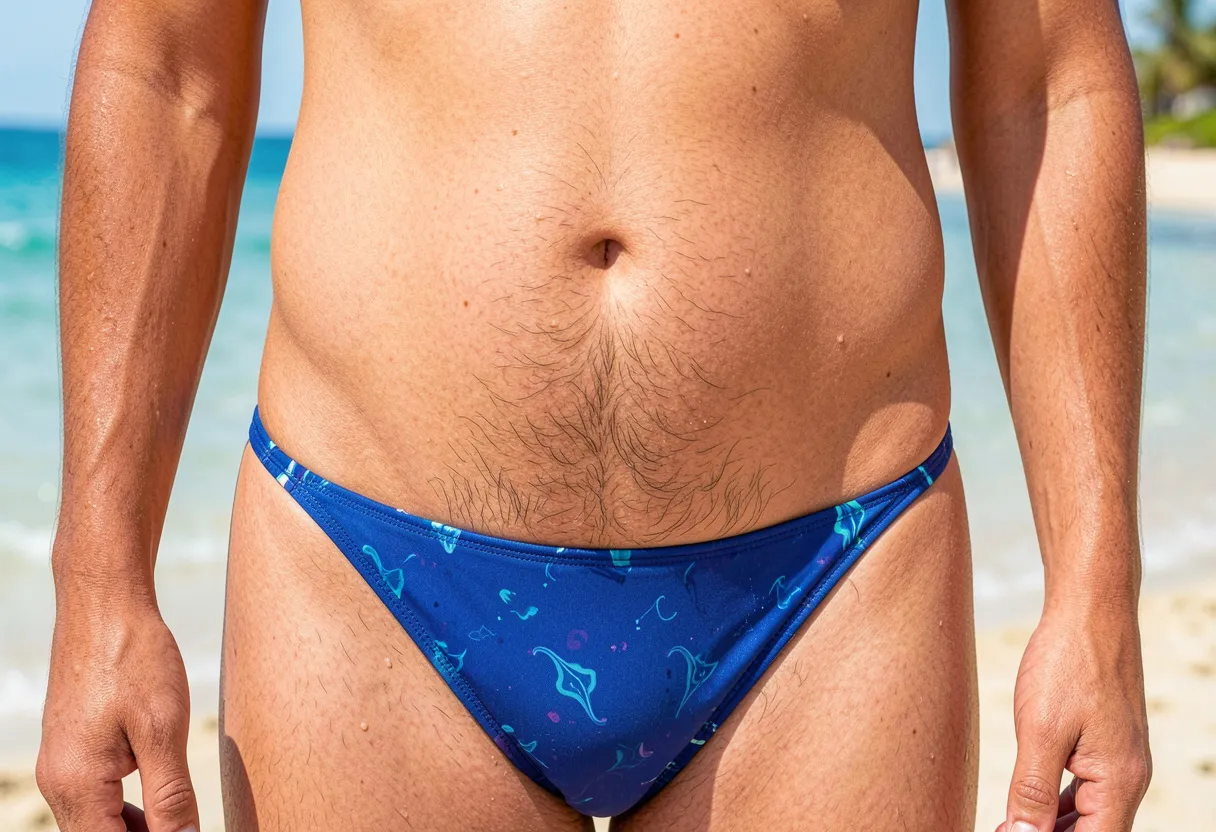
Quick Summary: Leaving pubic hair unshaved is a completely natural and safe choice that may actually reduce skin irritation, ingrown hairs, and infection risks compared to regular grooming. Pubic hair serves protective functions including reducing friction, trapping bacteria before it reaches sensitive areas, and regulating temperature. While personal preference drives grooming decisions, there’s no medical need to remove pubic hair, and doing nothing carries its own set of benefits.
The question of what happens if pubic hair remains completely unshaved might seem unusual in an era where grooming has become mainstream. But here’s the thing—for most of human history, leaving pubic hair alone was the default.
So what actually happens when someone decides to skip shaving, waxing, or trimming entirely? The answer might surprise those who’ve been told that removal is necessary for cleanliness or attractiveness.
The Natural State: What Pubic Hair Actually Does
Pubic hair isn’t random. It serves several biological functions that become clearer when considering what happens without constant removal.
First, it acts as a friction barrier during physical activity and intimacy. The coarse texture creates a cushion that protects sensitive genital skin from chafing and irritation. Athletes who’ve tried both groomed and natural states often notice this difference during long-distance running or cycling.
Second, pubic hair functions as a first-line defense mechanism. Body hair can trap debris and bacteria before they reach sensitive areas. While this doesn’t make unshaved pubic hair a superior hygiene choice by itself, it does challenge the notion that removal improves cleanliness.
Third, temperature regulation matters more than most realize. Hair follicles in the pubic region help wick away moisture and regulate temperature in an area prone to sweat accumulation.
What Changes When Shaving Stops
For someone who’s been regularly removing pubic hair, stopping creates noticeable shifts.
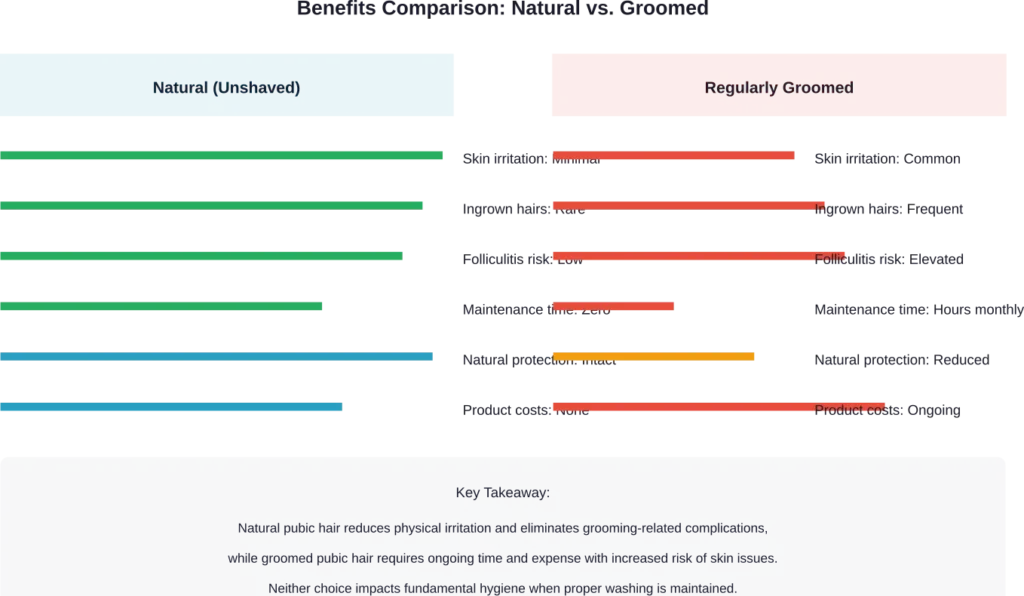
Skin Irritation Drops Significantly
Razor burn, bumps, and inflammation become non-issues. Research published in the American Journal of Obstetrics and Gynecology found that complications related to pubic hair removal affect a significant portion of those who groom regularly.
The constant cycle of shaving and regrowth creates micro-abrasions in the skin. These tiny cuts provide entry points for bacteria and can lead to folliculitis—infection of the hair follicles that resembles acne breakouts. Folliculitis symptoms typically appear 12 to 48 hours after exposure (such as after using hot tubs), a condition known as hot tub folliculitis.
Ingrown Hairs Become Rare
Anyone who’s dealt with painful ingrown hairs knows the relief of avoiding them. When hair grows naturally without being cut at sharp angles, it emerges from follicles normally rather than curling back into the skin.
Dermatologists consistently identify ingrown hairs as one of the most common complaints associated with pubic hair removal. Stopping removal eliminates the root cause.
Infection Risk May Decrease
The relationship between grooming and infection risk remains somewhat debated, but evidence suggests natural pubic hair might offer protective benefits.
A study involving 7,580 respondents found that after adjusting for age and lifetime sexual partners, those who had ever groomed their pubic hair showed increased odds of reporting sexually transmitted infections compared to non-groomers. However, more recent research from Ohio State University found no connection between extreme grooming and specific infections like chlamydia or gonorrhea when tested directly rather than relying on self-reported history.
What’s clearer is the risk of other skin infections. According to the CDC, pubic lice require human blood to survive and will die within 24-48 hours without feeding. While pubic lice spread through contact regardless of grooming habits, the micro-cuts from shaving can increase vulnerability to various skin infections including folliculitis and even molluscum contagiosum, a viral skin infection.
Hygiene Myths and Facts
One persistent concern is whether unshaved pubic hair affects cleanliness. Real talk: hair itself isn’t dirty.
According to medical guidance, pubic hair grooming is entirely a personal choice with no medical necessity. Ob-gyns don’t require or prefer patients to remove pubic hair before examinations or procedures.
Proper hygiene depends on regular washing with mild soap and water—a routine that works equally well regardless of grooming status. The genital area’s natural cleaning mechanisms, including vaginal discharge that maintains pH balance, function normally with or without pubic hair.
What about odor? Sweat glands in the pubic region produce secretions regardless of hair presence. Hair can trap some moisture, but proper daily washing addresses this effectively. Some people find that hair wicks moisture away from skin, potentially reducing the warm, damp environment where odor-causing bacteria thrive.
How Hair Growth Works Long-Term
Pubic hair doesn’t grow indefinitely like head hair. It has a genetically programmed maximum length, typically reaching a terminal length of a few inches before the follicle enters a resting phase.
When left completely alone, pubic hair grows through three phases: anagen (active growth), catagen (transition), and telogen (resting and shedding). Individual hairs fall out and are replaced naturally, maintaining a relatively consistent coverage without intervention.
This means that concerns about pubic hair becoming unmanageable or growing excessively long are largely unfounded. The body self-regulates.
Potential Downsides to Consider
Honesty matters here. While leaving pubic hair natural offers benefits, some people experience minor challenges.
Sweat and moisture can accumulate more noticeably, particularly during hot weather or intense physical activity. This doesn’t create a hygiene problem when addressed with regular bathing, but it can feel uncomfortable temporarily.
Detection of skin issues or parasites like pubic lice becomes slightly more difficult with a full growth of hair, though these concerns affect only a small percentage of people. Pubic lice remain relatively uncommon in the general population, and detection is possible through visual inspection or magnifying lens.
Personal comfort during certain activities varies. Some athletes prefer trimmed or removed pubic hair to reduce friction in tight clothing, though others find natural hair provides better cushioning.
Social and Personal Considerations
Beyond biology, grooming choices involve personal and social factors that shouldn’t be dismissed.
Cultural norms around body hair have shifted dramatically over recent decades. What was uncommon in the 1970s became increasingly prevalent, with surveys showing that a substantial majority of women and men in the United States now engage in some form of pubic hair grooming.
But here’s where it gets interesting. Recent data suggests attitudes may be shifting again. Community discussions indicate growing acceptance of natural body hair, with many reporting that partners express indifference or even preference for ungroomed pubic hair.
Personal confidence plays a significant role. Some feel more comfortable and attractive with groomed pubic hair, while others experience relief and self-acceptance when embracing natural growth. Neither perspective is wrong—comfort in one’s own body matters most.
Making the Choice That Works
The decision to shave, trim, or leave pubic hair completely natural is deeply personal and should be made based on individual preferences, not misconceptions about hygiene or social pressure.
For those considering stopping pubic hair removal entirely, the transition typically involves a few weeks of regrowth during which stubble softens into natural hair texture. Any previous irritation from shaving gradually subsides.
Alternatively, minimal maintenance through occasional trimming offers a middle ground that addresses concerns about length while avoiding the skin irritation associated with complete removal.
| Approach | Skin Irritation | Maintenance Need | Infection Risk | Natural Protection |
|---|---|---|---|---|
| Never Shave | Minimal | None | Lower | Full |
| Occasional Trim | Low | Monthly | Lower | Partial |
| Regular Shaving | Common | Weekly | Elevated | None |
| Waxing | Moderate-High | Monthly | Moderate | None |
When Natural Isn’t Best
While leaving pubic hair unshaved works well for most people, certain circumstances might warrant removal or trimming.
Medical procedures may require hair removal for visibility purposes. Medical professionals should perform any necessary hair removal using proper techniques immediately before procedures.
Treatment of pubic lice requires either removal of hair or careful application of medicated lotions. Permethrin lotion 1% is a standard treatment for pubic lice that involves leaving lotion in place for 10 minutes before rinsing, though some people opt for removal to ensure thorough application.
Some skin conditions benefit from easier access to affected areas, though dermatologists can treat most issues without requiring hair removal.
Frequently Asked Questions
No. Pubic hair itself isn’t unhygienic. Regular washing with mild soap and water maintains cleanliness regardless of grooming choices. The ACOG confirms that pubic hair removal has no medical benefit and is purely a personal preference.
No. Pubic hair reaches a genetically determined terminal length, typically a few inches, before entering a resting phase and eventually shedding naturally. It won’t continue growing like head hair.
Research shows mixed results. Some studies found associations between grooming and certain infections, while others found no direct connection. What’s clear is that shaving creates micro-cuts that can allow bacteria entry, potentially increasing infection risk compared to unshaved skin.
No. Ingrown hairs result from hair being cut at sharp angles that allow it to curl back into skin—a problem caused by shaving or waxing, not by natural growth. Leaving pubic hair unshaved actually prevents ingrown hairs.
Many athletes leave pubic hair natural without issues. Those who experience discomfort may use minimal trimming with scissors rather than shaving to reduce bulk while avoiding skin irritation. Personal preference and sport-specific needs vary widely.
Partner preferences vary significantly. Community discussions and surveys indicate that many people are indifferent to or prefer natural pubic hair. Open communication about preferences matters more than assumptions about expectations.
Pubic hair can trap some moisture from sweat glands, but this doesn’t cause odor with regular bathing. Some people find that hair actually wicks moisture away from skin, potentially reducing bacterial growth. Daily washing addresses any odor concerns effectively.
The Bottom Line
What happens if pubic hair is never shaved? In short: nothing problematic.
The body continues functioning as designed, with pubic hair providing its natural protective and functional benefits. Skin irritation, ingrown hairs, and grooming-related infections become non-issues. Time and money spent on removal products and procedures are eliminated.
The choice to leave pubic hair natural, groom minimally, or remove completely remains deeply personal. Medical authorities confirm there’s no health requirement to remove pubic hair. Cultural pressures shift over time, but individual comfort should drive the decision.
For those curious about skipping grooming entirely, the experience often brings unexpected relief from irritation and appreciation for the body’s natural state. But for others, grooming provides valued comfort and confidence.
Whatever the choice, it should be informed by facts rather than myths about hygiene or necessity. Pubic hair serves real biological functions, and leaving it alone is as valid—and potentially beneficial—as any grooming routine.