
Quick Summary: Taking expired ibuprofen is generally safe for a short period after the expiration date, though it may be less effective. According to the FDA, expiration dates indicate when a drug is guaranteed to maintain its strength, quality, and purity under proper storage conditions. While expired ibuprofen is unlikely to cause harm, it might not provide full pain relief, and proper storage significantly affects how long it remains effective past its printed date.
That bottle of ibuprofen in the medicine cabinet has been sitting there for a while. The expiration date says December 2024, and here we are in 2026. Sound familiar?
Most people have faced this exact scenario. A headache strikes, the medicine cabinet reveals only expired options, and a mental debate begins. Is it safe? Will it work? Or has that pill transformed into something potentially dangerous?
Here’s the thing though—expiration dates on medications aren’t quite what most people assume. The real story involves FDA regulations, chemical stability, and storage conditions that determine whether that expired ibuprofen is still effective or destined for the trash.
Understanding Medication Expiration Dates
According to the FDA, drug expiration dates reflect the time period during which the product is known to remain stable, meaning it retains its strength, quality, and purity when stored according to labeled conditions.
That date isn’t random. Pharmaceutical manufacturers conduct stability testing to establish how long their products maintain full potency. FDA regulations require drug applicants to provide this stability data along with proposed expiration dates and storage conditions during the application process.
But here’s what that date doesn’t mean: it’s not a cliff where the medication suddenly becomes toxic or completely ineffective at midnight on the expiration day.
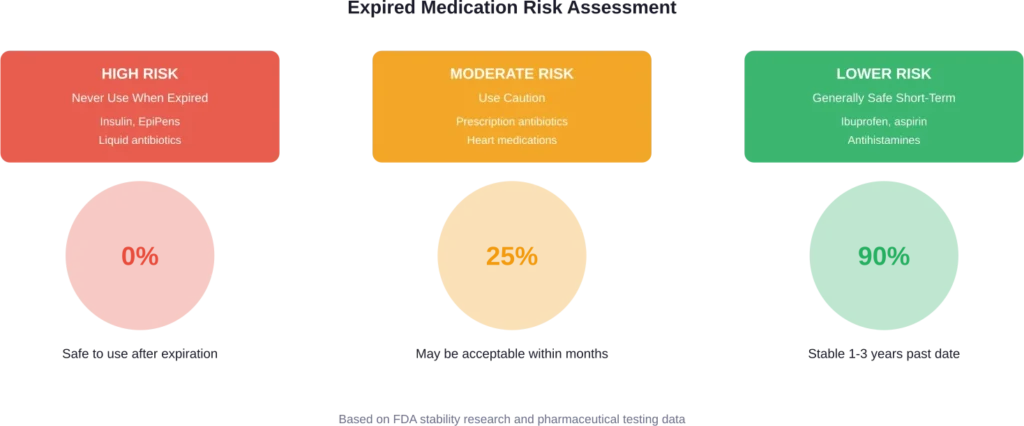
Studies by the FDA and U.S. military found that 90% of drugs remained chemically stable for at least one to three years after the printed date. The key factor? Proper storage.

What Actually Happens to Expired Ibuprofen
Ibuprofen belongs to a class of drugs called nonsteroidal anti-inflammatory drugs (NSAIDs). When ibuprofen expires, it doesn’t suddenly become poisonous or transform into something harmful.
The primary concern is reduced effectiveness. The active pharmaceutical ingredient gradually degrades, meaning that expired pill might deliver less than the 200mg dose printed on the label.
According to pharmaceutical quality regulations, during the permissible shelf-life of drug products, the active ingredient content must not decrease below 95%. Once past the expiration date, that guarantee no longer applies.
Chemical Breakdown Process
Ibuprofen’s molecular structure breaks down over time through oxidation and hydrolysis. Environmental factors accelerate this process.
Heat, moisture, and light exposure speed up degradation. That bathroom medicine cabinet—with its temperature fluctuations and humidity from showers—creates a less-than-ideal storage environment.
Solid-state oral pharmaceuticals like ibuprofen tablets generally maintain stability better than liquids. Research on pharmaceutical stability shows that proper storage conditions dramatically extend effectiveness beyond expiration dates.
Safety Concerns
Real talk: taking expired ibuprofen a few months past its date is unlikely to cause harm. The medication simply becomes less potent.
The bigger risk? Taking what seems like an appropriate dose but receiving insufficient pain relief because the active ingredient has degraded. This might lead someone to take additional doses, potentially exceeding safe limits.
NSAIDs carry risks even when fresh. Gastrointestinal complications, renal impairment, and cardiovascular effects represent known NSAID concerns. While expiration doesn’t increase these risks directly, ineffective dosing can create problematic patterns of overuse.
How to Identify Expired or Degraded Ibuprofen
Beyond checking the printed expiration date, physical signs can indicate degradation:
- Color changes: Tablets that have darkened, yellowed, or developed spots
- Odor: Unusual or strong chemical smells
- Texture changes: Crumbling, cracking, or stickiness
- Coating damage: Chipped or peeling tablet coatings
- Moisture exposure: Clumping or dissolution inside the bottle
Any of these signs suggests the medication has been compromised and should be discarded, regardless of the expiration date.
| Storage Location | Temperature Stability | Moisture Control | Light Protection | Effectiveness Rating |
|---|---|---|---|---|
| Bathroom Cabinet | Poor (fluctuates) | Poor (high humidity) | Good | ❌ Not Recommended |
| Kitchen Cabinet | Fair (some fluctuation) | Fair | Good | ⚠️ Acceptable |
| Bedroom Drawer | Good (stable) | Good (low humidity) | Excellent | ✓ Recommended |
| Refrigerator | Excellent | Fair (condensation risk) | Excellent | ⚠️ Only If Specified |
Storage Factors That Extend Ibuprofen Shelf Life
Proper storage makes a massive difference in how long ibuprofen remains effective past its expiration date.
The ideal conditions include:
Temperature control: Room temperature (68-77°F or 20-25°C) with minimal fluctuation works best. Extreme heat accelerates chemical breakdown, while freezing temperatures can damage tablet structure.
Moisture protection: Keep bottles tightly sealed. Humidity causes tablets to break down faster. That’s why medications include those little silica gel packets—they absorb moisture.
Light avoidance: Store in dark places. UV light degrades many pharmaceutical compounds. Original bottles with amber or opaque plastic provide built-in protection.
Original packaging: Manufacturers design packaging to protect medications. Transferring pills to different containers removes these protections.
When Expired Medications Become Dangerous
Not all expired medications carry the same risk profile. While ibuprofen becomes less effective, certain drug categories pose genuine dangers when expired.
Medications that should never be taken past expiration include:
- Insulin and other diabetes medications
- Epinephrine (EpiPens for allergic reactions)
- Liquid antibiotics (especially reconstituted suspensions)
- Nitroglycerin for heart conditions
- Anticonvulsants for seizure disorders
- Thyroid medications
These medications either degrade quickly, lose effectiveness rapidly, or treat conditions where reduced potency creates serious health risks.
Ibuprofen falls into a lower-risk category. It treats symptoms rather than life-threatening conditions, and reduced potency represents the primary concern rather than toxicity.
How Long Does Ibuprofen Last After Expiration
Community discussions and pharmaceutical research suggest solid-form ibuprofen tablets remain relatively stable for extended periods when stored properly.
A few months past expiration? Probably fine, though potentially slightly less effective.
One to two years past? The medication likely retains some effectiveness, but potency has decreased noticeably.
Three or more years past? Time to replace it. The active ingredient has likely degraded significantly.
Liquid ibuprofen formulations (common for children’s medications) degrade faster than tablets. Suspensions and syrups should be discarded closer to their expiration dates.
Safe Disposal of Expired Medications
Flushing medications down the toilet or throwing them in regular trash creates environmental problems. Between 30% and 90% of orally administered doses are excreted in urine, and improper disposal compounds pharmaceutical pollution in water systems.
The FDA recommends these disposal methods:
Drug take-back programs: Many pharmacies, hospitals, and law enforcement agencies offer collection sites. These programs ensure proper disposal through incineration or other approved methods.
Household disposal (if no take-back available): Mix medications with undesirable substances like dirt, cat litter, or coffee grounds. Seal in a plastic bag or container. Remove personal information from the medication bottle before recycling or discarding it.
Mail-back programs: Some pharmacies provide prepaid envelopes for mailing expired medications to disposal facilities.
Alternatives to Using Expired Ibuprofen
Rather than risk reduced effectiveness with expired medication, consider these options:
Purchase fresh medication: Generic ibuprofen costs relatively little. The peace of mind of full potency often outweighs the minimal expense.
Alternative pain relief methods: Ice packs, heat therapy, rest, and elevation can manage many conditions that prompt ibuprofen use.
Different active ingredients: Acetaminophen (Tylenol) works through different mechanisms and might be available with a current expiration date.
Smaller quantities: Purchasing smaller bottles ensures medication gets used before expiration, particularly for occasional use.
The Bottom Line on Expired Ibuprofen
Taking ibuprofen a few months past its expiration date poses minimal safety risk but may provide reduced pain relief. The medication becomes less effective over time, not toxic.
Storage conditions matter enormously. Properly stored tablets in cool, dry, dark locations maintain potency far longer than those exposed to bathroom humidity and temperature swings.
For occasional headaches or minor aches, slightly expired ibuprofen (within several months) generally works adequately. For chronic pain management or more serious conditions, fresh medication ensures appropriate dosing and effectiveness.
When in doubt, consult a healthcare provider or pharmacist. They can provide specific guidance based on individual health conditions and the medication’s age and storage history.
Frequently Asked Questions
Expired ibuprofen is unlikely to cause harm or become toxic. The primary issue is reduced effectiveness rather than safety concerns. The active ingredient degrades over time, meaning the medication may not provide full pain relief at the labeled dose. However, any medication showing physical signs of degradation—discoloration, unusual odor, or texture changes—should be discarded regardless of the expiration date.
Research indicates that 90% of medications, including ibuprofen, remain stable for one to three years past their expiration dates when stored properly. Solid tablets maintain potency better than liquid formulations. Storage conditions dramatically affect longevity—medications kept in cool, dry, dark places last significantly longer than those exposed to heat, light, and moisture in bathroom cabinets.
Yes, ibuprofen gradually loses potency as the active pharmaceutical ingredient breaks down through oxidation and hydrolysis. Pharmaceutical regulations require that drug products maintain at least 95% of their labeled potency through the expiration date. After that date, the manufacturer no longer guarantees full strength. The rate of degradation depends heavily on storage conditions.
Certain medications pose serious risks when expired and should never be used past their dates. These include insulin, epinephrine auto-injectors (EpiPens), liquid antibiotics, nitroglycerin, anticonvulsants, and thyroid medications. These drugs either degrade rapidly, treat life-threatening conditions where reduced potency creates danger, or undergo chemical changes that affect safety.
Store ibuprofen in a cool, dry, dark location with stable temperatures between 68-77°F (20-25°C). Bedroom drawers or closets work better than bathroom cabinets, which experience temperature and humidity fluctuations. Keep medications in their original containers with lids tightly sealed. Avoid storing near heat sources, windows, or areas with moisture exposure.
Ibuprofen that expired two years ago has likely experienced significant potency loss, though it probably won’t cause harm. The medication may provide reduced pain relief, potentially leading to taking additional doses to achieve the desired effect. This creates a risk of exceeding safe daily limits. For best results and predictable dosing, replace medication that’s more than a year past expiration.
Use drug take-back programs at pharmacies, hospitals, or law enforcement agencies when available. These ensure proper disposal without environmental contamination. If no take-back program is accessible, mix the medication with undesirable substances like coffee grounds or cat litter, seal in a container, and dispose in household trash. Remove personal information from the bottle before recycling it. Do not flush medications down toilets or drains.